Description
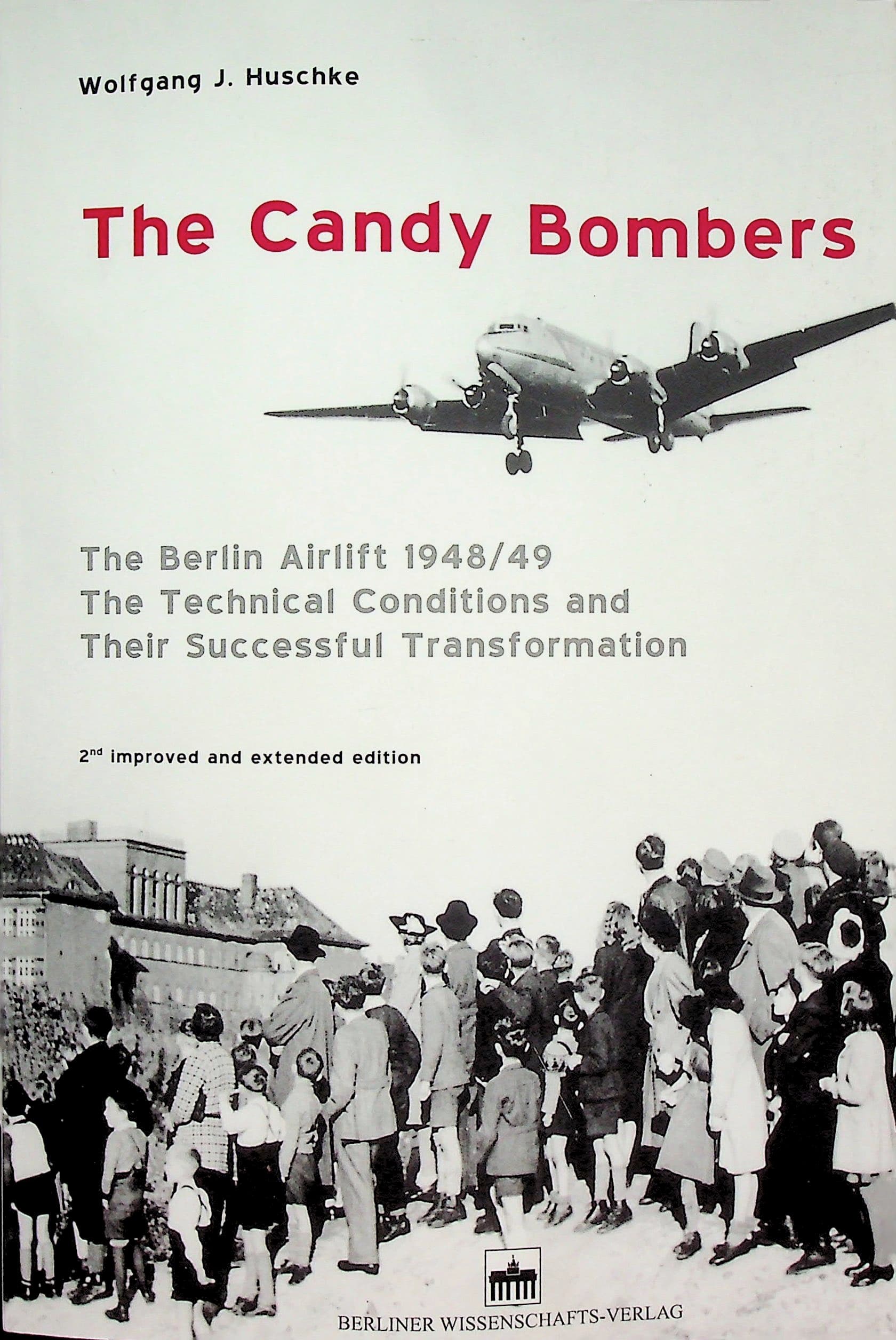
Berliner Wissenschafts-Verlag, Berlin, Published 2008. Paperback, 348 pp.; 24 cm; 2nd improved and extended edition; illustrated with black-and-white photographs and maps.

Rare, out-of-print & unusual books · Since 1997
Turn the pages with the arrows, keyboard, or a swipe.
Berliner Wissenschafts-Verlag, Berlin, Published 2008. Paperback, 348 pp.; 24 cm; 2nd improved and extended edition; illustrated with black-and-white photographs and maps.
In Very Good condition. Black-and-white pictorial paper covers with red lettering on the front and spine; light bumping to edges and corners and mild shelf wear to the covers. Binding is tight. Pages otherwise unmarked.Documentary study of the Berlin Airlift of 1948-49, focusing on the technical, logistical, and human dimensions of the largest humanitarian supply campaign ever carried out entirely by air transport. Examines the precursor airlifts at Demyansk, Stalingrad, and the Hump (China-Burma-India theater); the geographical conditions, airports, and aircraft types employed; maintenance and repair operations; the work of the aircrews including the famous "Chocolate Pilot" Col. Gail S. Halvorsen; and ground-controlled approach procedures.[From back cover] On 24 June 1948 General Lucius D. Clay, the Commanding General of the American Forces in Europe, ordered that all disposable transport aircraft should be made available for flights to Berlin. His order marked the beginning of the largest ever humanitarian supply campaign carried out entirely by air transport, the Berlin Airlift. Clay was well aware of the political significance of his decision. The aim was to overcome the blockade mounted by the Soviet Union by supplying the western sectors of the city via the air corridors. The political and historical background of the Berlin Airlift have been well researched. Less is known about the people and planes focused on this documentary study. The success of the airlift is owed not only to the air crews, who risked their lives so often, but also to all the others who inconspicuously made their great and tireless contributions. Success is also owed to the aircraft which transported supplies for the 2.2 million people living in the besieged western sectors of the city.Contents: Foreword For the New Edition 2008; Word of Thanks; Foreword; Introduction; The Precursors (Demyansk, Stalingrad, The Hump); The Berlin Airlift 1948/49; The Geographical Conditions; The Airports; The Technical Conditions; Maintenance and Repair; The Aircrews; Ground-controlled Approach; The Easter Parade 1949; Epilogue; Appendix; Bibliography; Questionnaire For US Pilots; Index.
Nearby on the shelf
This book sits where several subjects meet. Choose one to keep wandering, or open a nearby book.
Hooked: Tales & Adventures of a Tailhook Warrior
We'll Find the Way: The History of Hondo Army Air Field During World War II
A Sailor's Life in World War II
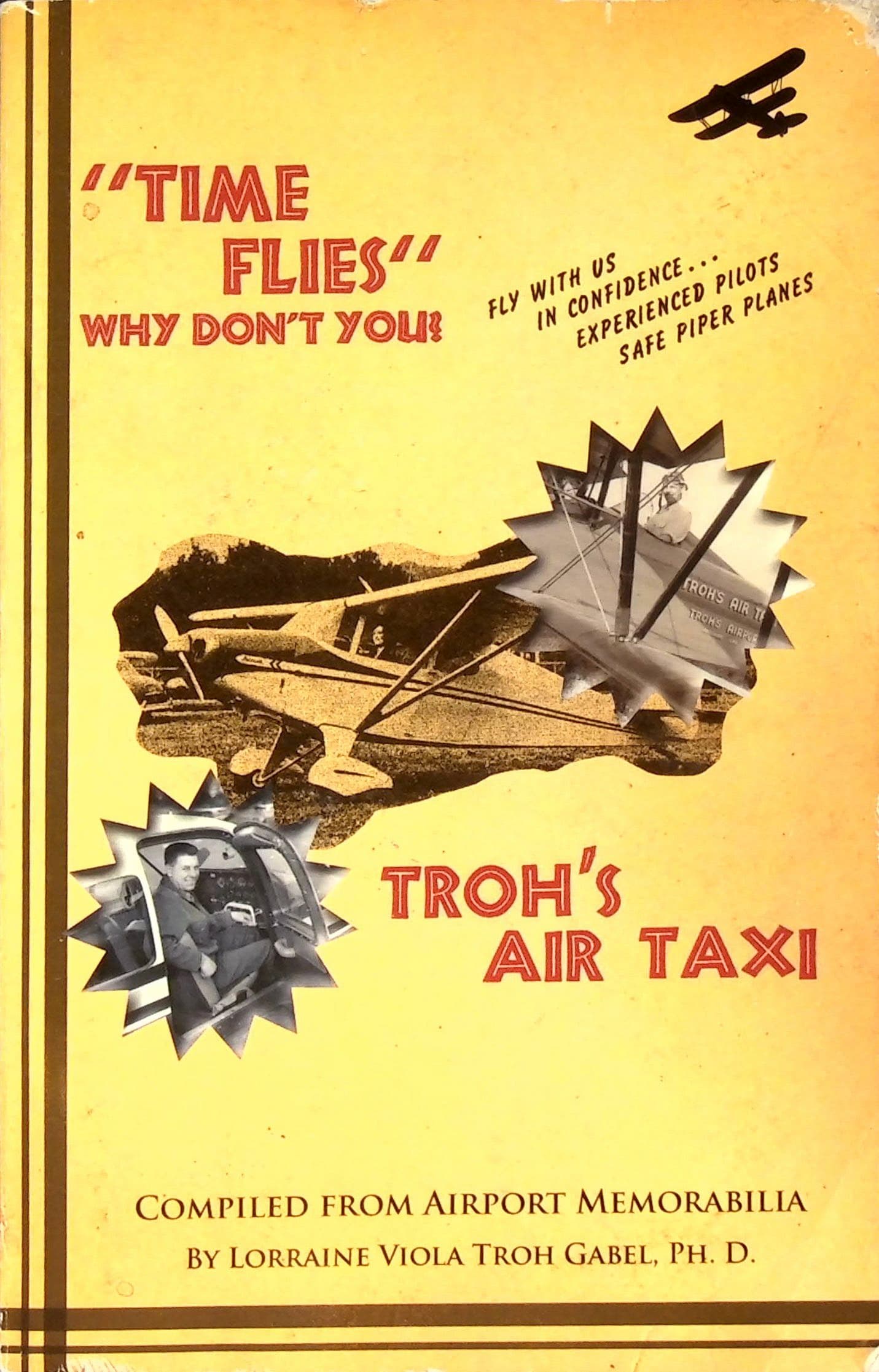
Troh's Air Taxi - Time Flies, Why Don't You? Compiled From Airport Memorabilia