Description
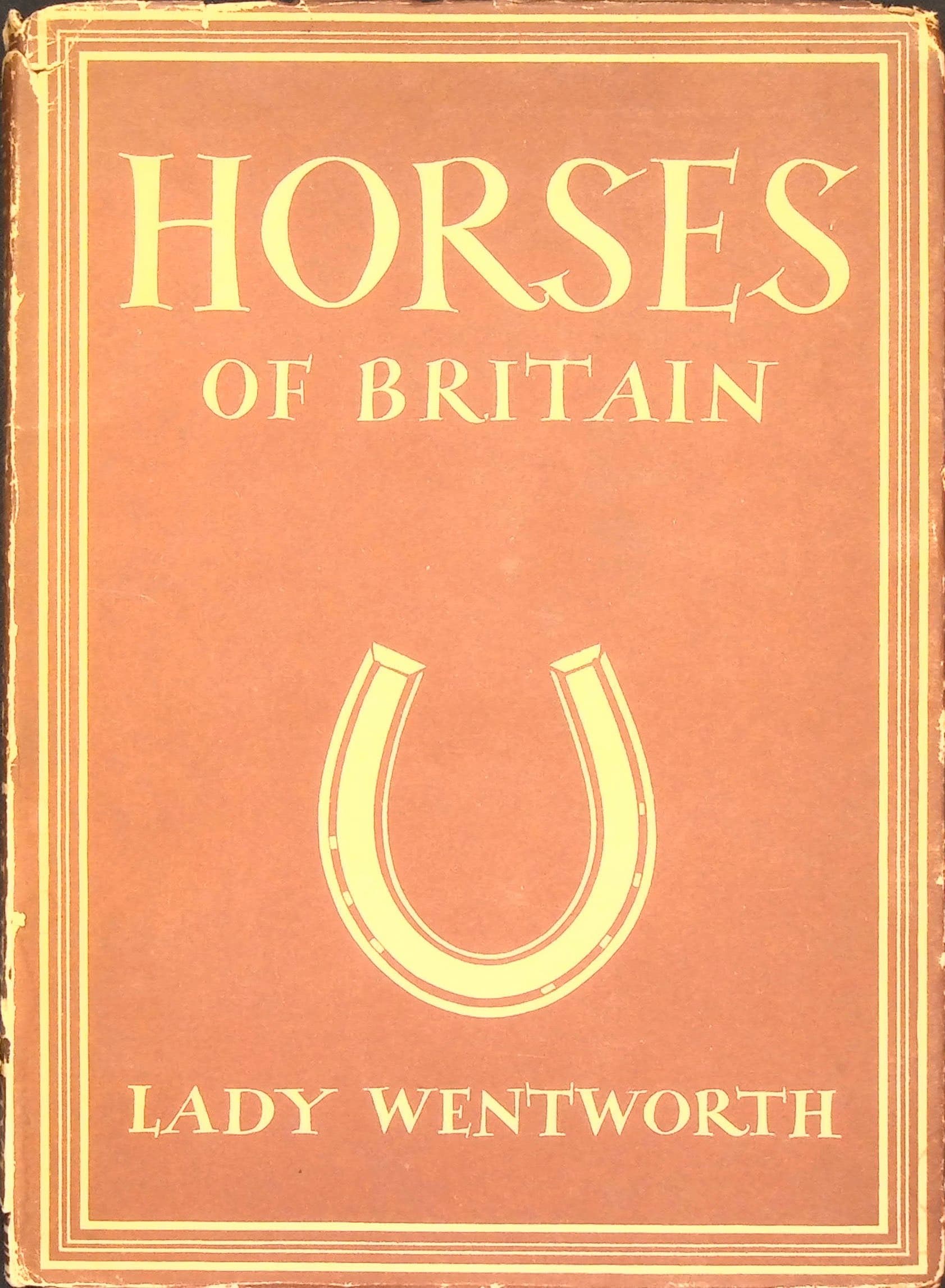
William Collins, London, Published date: 1944. Hardcover; 46 pp. Third impression. With 8 plates in colour and 26 illustrations in black and white. Britain in Pictures series.

Rare, out-of-print & unusual books · Since 1997
Turn the pages with the arrows, keyboard, or a swipe.
William Collins, London, Published date: 1944. Hardcover; 46 pp. Third impression. With 8 plates in colour and 26 illustrations in black and white. Britain in Pictures series.
In good condition, with good dust jacket. Hardcover boards clean and sound with light edge wear. Binding remains sound, with minor hairline cracking at the inner gutters near pages 8, 32 and 41; pages remain firmly attached. Interior pages evenly age toned, heavier along inner margins; plates present as issued; pages unmarked. Dust jacket has moderate edge wear, rubbing, small chips and losses at corners and spine ends, and general age toning. Now in an archival quality removable Brodart cover. Concise illustrated survey of the history and development of British horses covering prehistoric origins, regional breeds, sporting and working horses, and ceremonial traditions, with visual material drawn from historic paintings, engravings, and photographs. [From front jacket flap] In a highly mechanised age we can boast that we are still a nation of horse lovers and horse riding increased tremendously in popularity in the years before the war. Horse breeding is an important and valuable national industry and the whole world now turns to these islands for the best horses. As Lady Wentworth writes: "It is England that has developed the worlds greatest speed wonder the racing thoroughbred, Scotland initiated the largest and purest draught breed of the North. The Shetland Isles produces the smallest equine species, the delightful miniatures that look like toys. To Wales we owe the worlds prettiest trotting ponies. Ireland, famed for its hunters, is now the site of the National Stud." To trace the development of our leading breeds through the centuries is Lady Wentworths object. It is a splendid record and, as she tells it, an absorbing story. An acknowledged authority on the subject, Lady Wentworth has written an extremely interesting and lively book that should be widely welcomed.