
Description
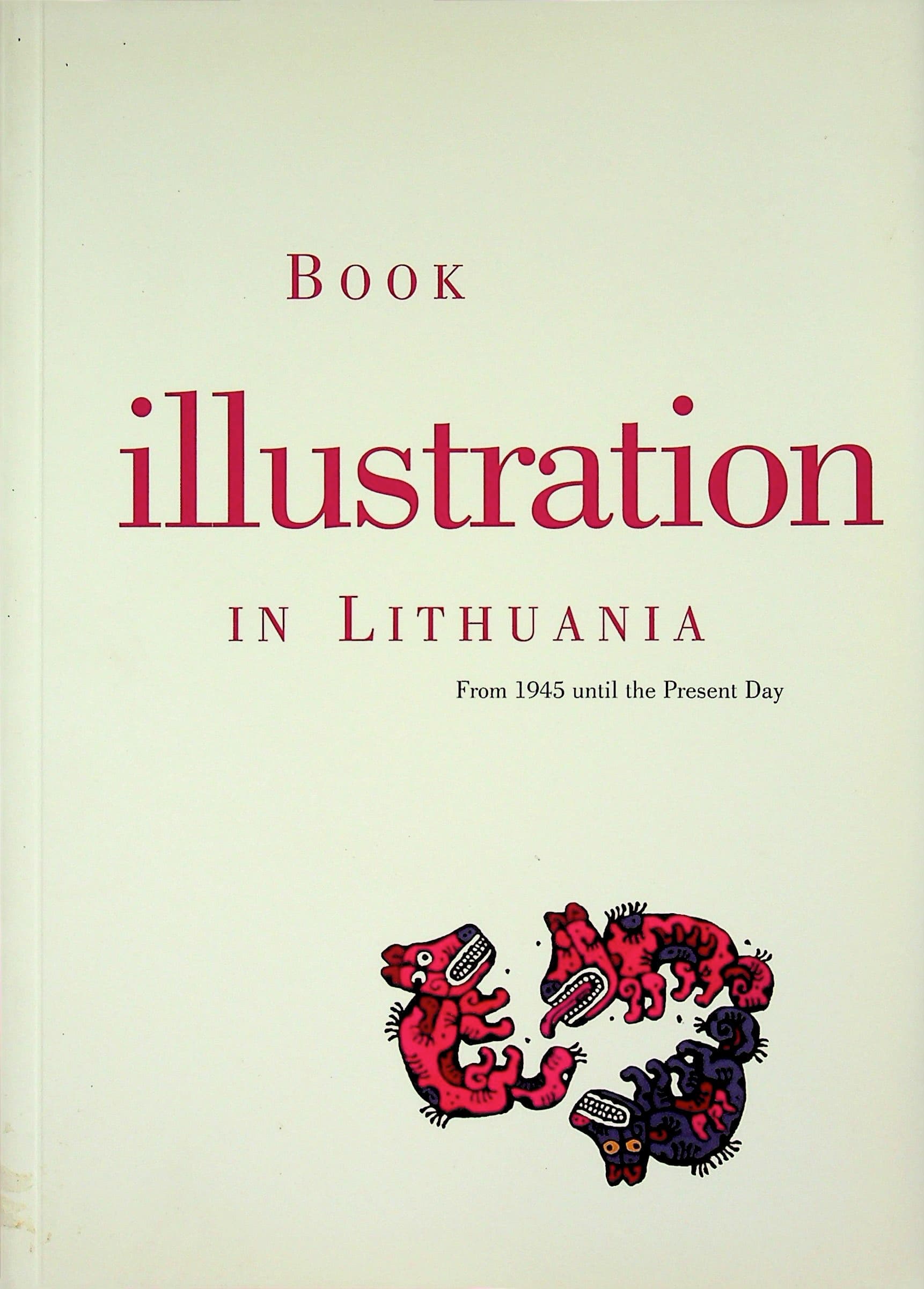
Vilnius [Published date: 2002]. Soft cover, 51 pp. In very good condition. Red and White illustrated paper covers with red lettering on front. Light bumping to edges and corners and light overall scuffing. Binding tight. Pages clean and unmarked. NOT Ex-library. NO remainder marks. Booklet with 21 pages of text, 22 pages of color and black and white plates and 7 pages of illustrator biographies. Headings include: The Situation after 1945; The 1960's Illustration and Modernism; New Classics: Poetry Illustration from the 1960s to the 1980s; The 1980's: Fantasy Realism; Book illustration in the 1990's; Contemporary book illustration in Lithuania combines several-hundred-year-old traditions and modem innovative ideas. After 1945, the genre built on the foundations of the school of graphic arts of the interwar period. However, the changed political, social and cultural situation formed a specific style of expression. The distinct styles of individual artists are a feature of book illustration. Book design is normally one of many areas of expression for ai lists. The wide spectrum of their work, from prints to large-scale painting, set design and miniatures, encouraged artists to make brave experiments in book design and the interpretation of texts. International awards and diplomas gave an impetus to the search for new ideas. The illustration of poetry and children's books were the areas that saw the most development. From the 1960s to the 1980s, a tendency to imitate the style of folk prints became popular in collections of folklore, fairy tales and literature based on folk traditions. Artists created a subtle metaphorical world by using deep elements from old culture, archetypes and mythology. The 1960s and 1970s were a highly productive period, when the best works were created. Later, late-modernism dominated Lithuanian art, and consequently book illustration, which focused on a formal expression and interpretation of texts. The visual language was rich in metaphors, associations, and coded images, expanding on the indirect meanings of images and shapes During the 1990s, new tendencies in contemporary illustration emerged out of the earlier achievements. The interpretation of the illustrated text was changing; artists started merging various means of expression, using new techniques; a new culture of book design was forming. Interesting new tendencies can be distinguished in the active process of Lithuanian illustration.