Description
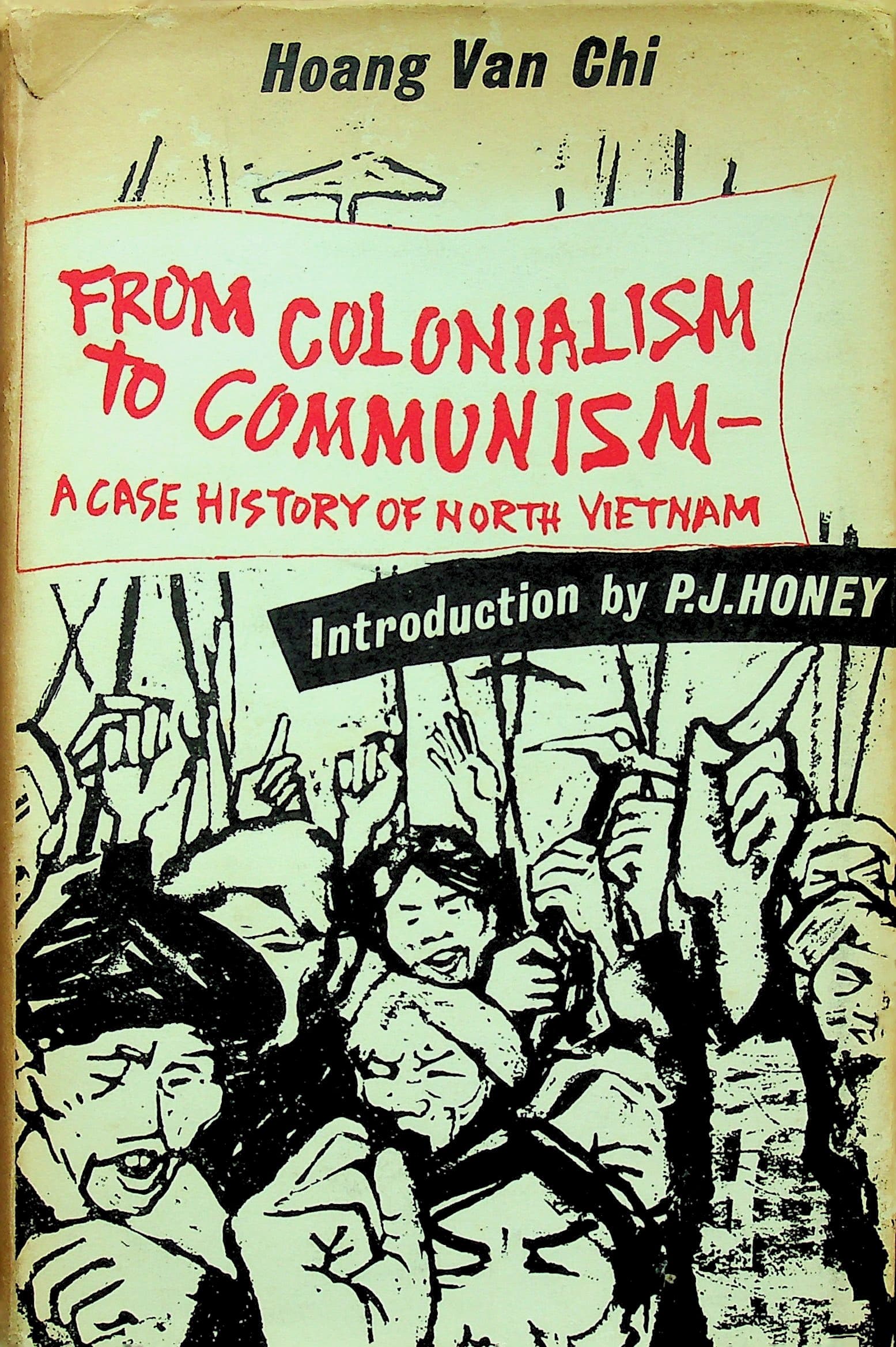
Pall Mall Press, London, Published 1964. Hardcover with dust jacket, xv, 252 pp.; 23 x 15 cm; First Edition; illustrated with five black-and-white maps; introduction by P.J. Honey.

Rare, out-of-print & unusual books · Since 1997
Turn the pages with the arrows, keyboard, or a swipe.
Pall Mall Press, London, Published 1964. Hardcover with dust jacket, xv, 252 pp.; 23 x 15 cm; First Edition; illustrated with five black-and-white maps; introduction by P.J. Honey.
In Good condition with a Good dust jacket. Black cloth boards with gold lettering and Pall Mall Press hourglass device on the spine, light bumping to the edges of the covers and mild edge wear with some fading and a hint of color loss to the spine. Binding tight. Mild overall toning to the pages, with heavier toning and some spotting to the endpapers, and toning to the title page where a printed Publisher's Note slip (concerning the November 1, 1963 overthrow of Ngo Dinh Diem) had been laid in; the slip is present, loose. Pictorial dust jacket designed by Carol E. Jeffries, cream ground with red brushstroke title and a green and black woodcut illustration of a crowd, with several nicks and tears of one inch or less and creasing to edges, moderate toning to covers and heavier toning along the spine and top edge. Now in an archival quality (removable) Brodart cover. The first detailed inside account in English of the establishment of communism in North Vietnam, written by a former Vietminh Resistance member who served as director of the National Mint in Hanoi and was personally awarded a national citation by Ho Chi Minh in 1948 before fleeing North Vietnam in 1955. Drawing on his eyewitness experience and on documentary evidence from communist sources, Hoang Van Chi traces nationalist movements in Indochina from the turn of the century, the Comintern's interwar efforts to build a Communist Party in Vietnam, and the methods by which Ho Chi Minh and his associates converted the Vietminh independence movement into an instrument of total communist control over the country's economic, political, and cultural life. The book devotes particular attention to the Land Reform campaign, the techniques of "thought reform" and "self-criticism," and the campaigns of terror against landowners and intellectuals. Introduction by Vietnam scholar P.J. Honey of the School of Oriental and African Studies, who calls it "the most ambitious undertaking to date" on Asian communism. With a laid-in publisher's note dated to the November 1, 1963 overthrow of Ngo Dinh Diem, indicating publication shortly after that event. Contents: Introduction, by P.J. Honey; Author's Foreword; Maps; Part I, Grandeur and Servitude of a Small and Weak Nation, Vietnam in the Past, Vietnam in Modern History; Part II, Independence for the Nth Time, Ho Chi Minh, the National Hero, Emergence of Communism, The Final Triumph; Part III, First Steps Towards a Totalitarian Regime, Economic Levelling, The First Wave of Terror, The List of Traitors; Part IV, Thought Reform, Ideological Operations, Control-discussion, Correctional Training, The Five Lessons; Part V, Land Reform, General Outlines of the Land Reform, The Land Rent Reduction Campaign, The Land Reform Campaign Proper, Rectification of Errors, Revolts and Repressions, Resumption of Collectivisation; Recommended Further Reading; Index.