
Description
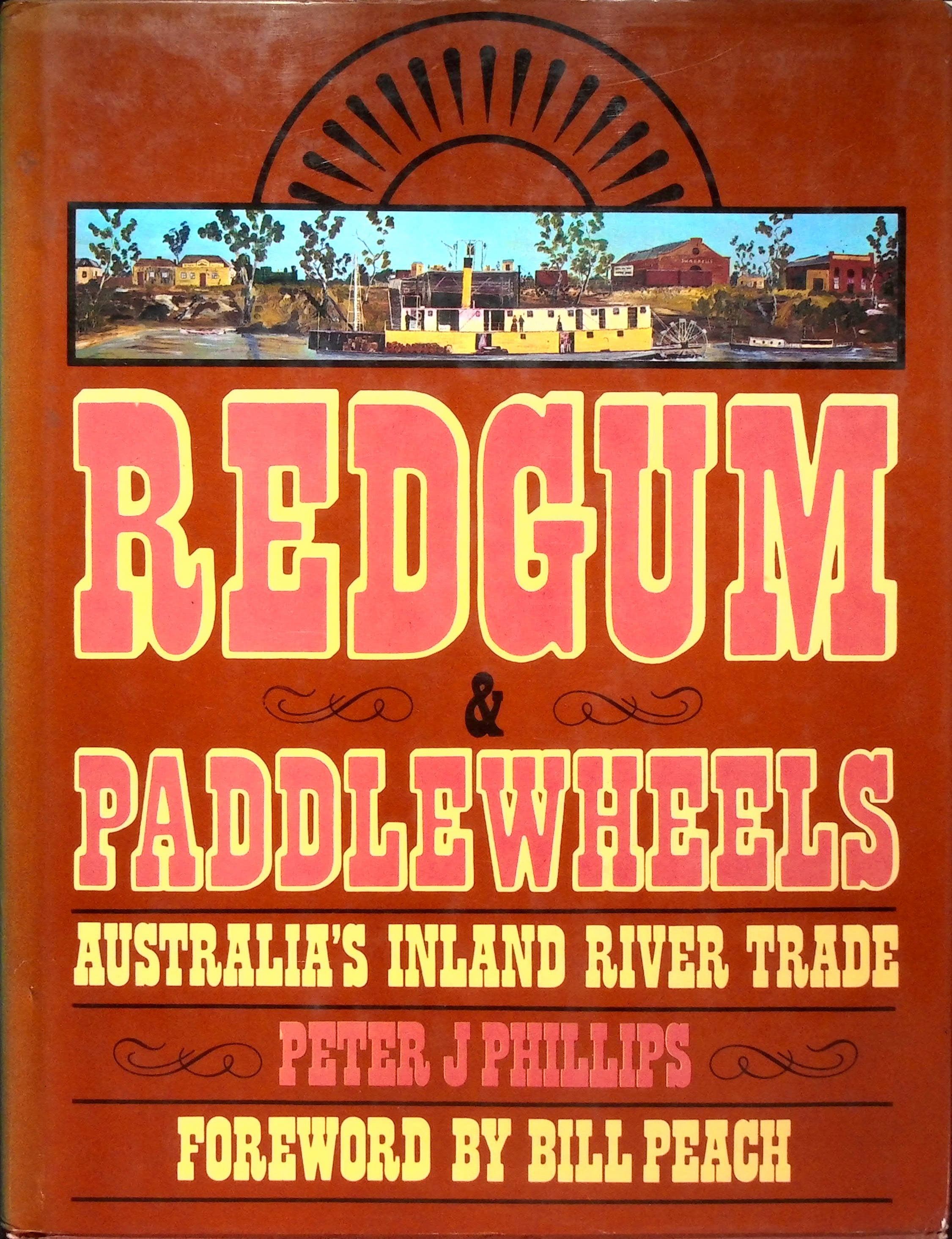
Greenhouse, Collingwood, Victoria, Australia, Published date: 1981. Hardcover with dust jacket; 165, [2] pp; 29 cm. First edition. Illustrated throughout with black and white photographic illustrations, maps, and portraits. In good+ condition in a good dust jacket. Brown paper over boards with white lettering on spine; light bumping and scuffing to edges of covers and on back cover near top and bottom of spine; binding sound. Previous owner's gift inscription in ink on half-title page. Otherwise interior pages clean and unmarked. Dust jacket has a 1 inch tear on the paper covering the bottom corner of the rear cover and a few other smaller nicks and tears and light creasing along edges. Spine discolored from sun. Light overall scuffing to jacket as well. Now in an archival quality (removable) Brodart cover. Illustrated historical study of Australias inland river trade, focusing on paddle steamers operating on the Murray, Darling, and Murrumbidgee river systems during the mid to late nineteenth century. From the front jacket flap: For a brief but exciting period between the 1850s and the 1890s, Australias Murray, Darling and Murrumbidgee Rivers were the scene of a thriving transport industry. Over three hundred paddle steamers plied their way up and down these great inland rivers and their tributaries, carrying cargoes of wool, wheat and timber, hardware and haberdashery, clothing, liquor, furniture, groceries and people. The dusty little town of Echuca became the chief port of the riverboat trade, and in the 1880s it was the second largest port in Victoria, its wharves and shipyard bustling with constant activity. In this book, Peter Phillips brings to life the adventure and romance of the days of the paddle steamers. Based on lengthy research and his own intimate knowledge of the Echuca district, his stories tell of the dramas, the hardships, the adventures and the tragedies, the heroes and characters of those colourful days. Lavishly illustrated with historic photographs, Redgum and Paddlewheels introduces us to people like Captain Francis Cadell, the first man to open up the Murray; the irascible Captain Mace; Captain Edward Diner and his wonderful floating emporium; and Captain Pearl Hogg, the only woman to hold a masters certificate on the Murray. We learn about the snagging boats which made the river safe for traffic; about the Jane Eliza, which during a drought took three years to get from Goolwa to Bourke, but made the return journey in two weeks when the floods came down; and about the horrifying sight of the blazing Bunip circling madly out of control in the middle of the river and running down the frantically swimming crew. We meet the timber men and fishermen of the rivers, and follow the decline of the river trade and the many paddle steamers which now, alas, lie rotting beneath the water. But we also hear of those many enterprising spirits who are restoring the old boats to their former glory and bringing back to the river an echo of the past.