Description
Archon Books / The Shoe String Press [Published Date: 1980]. Softcover. 96 pages; 27 cm ;black-and-white illustrations throughout. First edition. Text in English, calligraphy in Chinese.

Rare, out-of-print & unusual books · Since 1997
Turn the pages with the arrows, keyboard, or a swipe.
Archon Books / The Shoe String Press [Published Date: 1980]. Softcover. 96 pages; 27 cm ;black-and-white illustrations throughout. First edition. Text in English, calligraphy in Chinese.
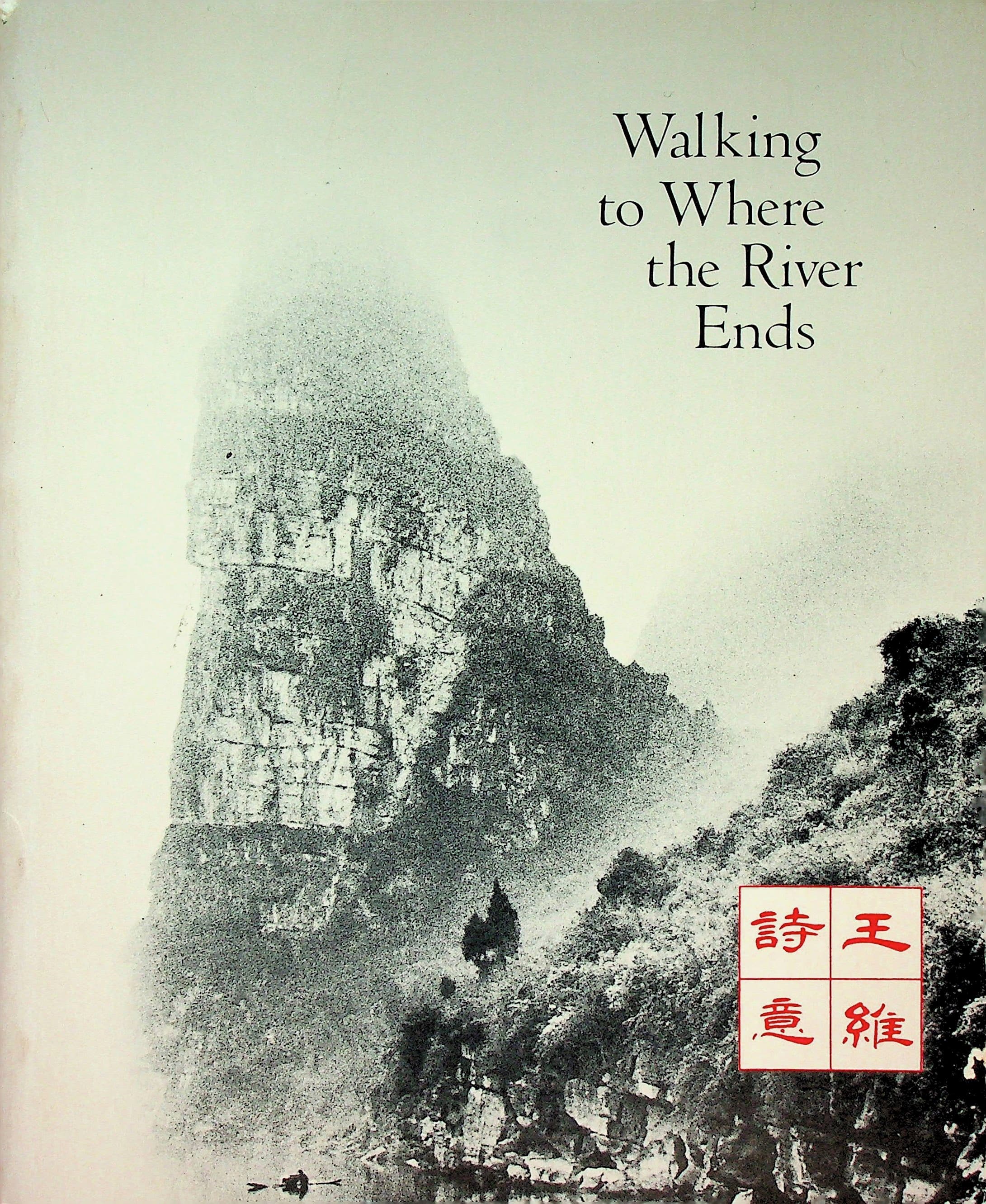
In good condition with a small nick to the paper at the top of the spine and light bumping and creasing to edges of covers. Light overall scuffing, aging and soiling to covers as well with some sticker discoloration and a half-dollar sized stain on the back cover. Binding tight. Pages unmarked. Not Ex-library. [From back cover] Walking to Where the River Ends introduces Chinese calligraphy as a creative art form in concert with new translations of the nature poetry of Wang Wei, an eighth century poet-painter, and photographs taken both here and in China. Calligraphy is the prime art form in China. To understand it one must go beyond the literal meanings of the individual characters to the sensual qualities of form and brushwork that add an emotional dimension profoundly affecting the viewer. In Walking to Where the River Ends Wang Fang yu transcends tradition, using ink in a multitude of variations, light and dark in gradations, dry and wet in degrees, to create new forms of old characters and formats. His calligraphy is created and combined here with photographs to express and enhance the individual mood of each of Wang Wei's poems, providing an interpretive image for the western reader who cannot literally understand the characters. The book is the product of a team as diverse as the elements involved: Wang Fang yu, Peking born calligrapher and translator; Suzanne Graham Storer, photographer and graphic artist; and Mary de G. White, coordinator and writer.