Description
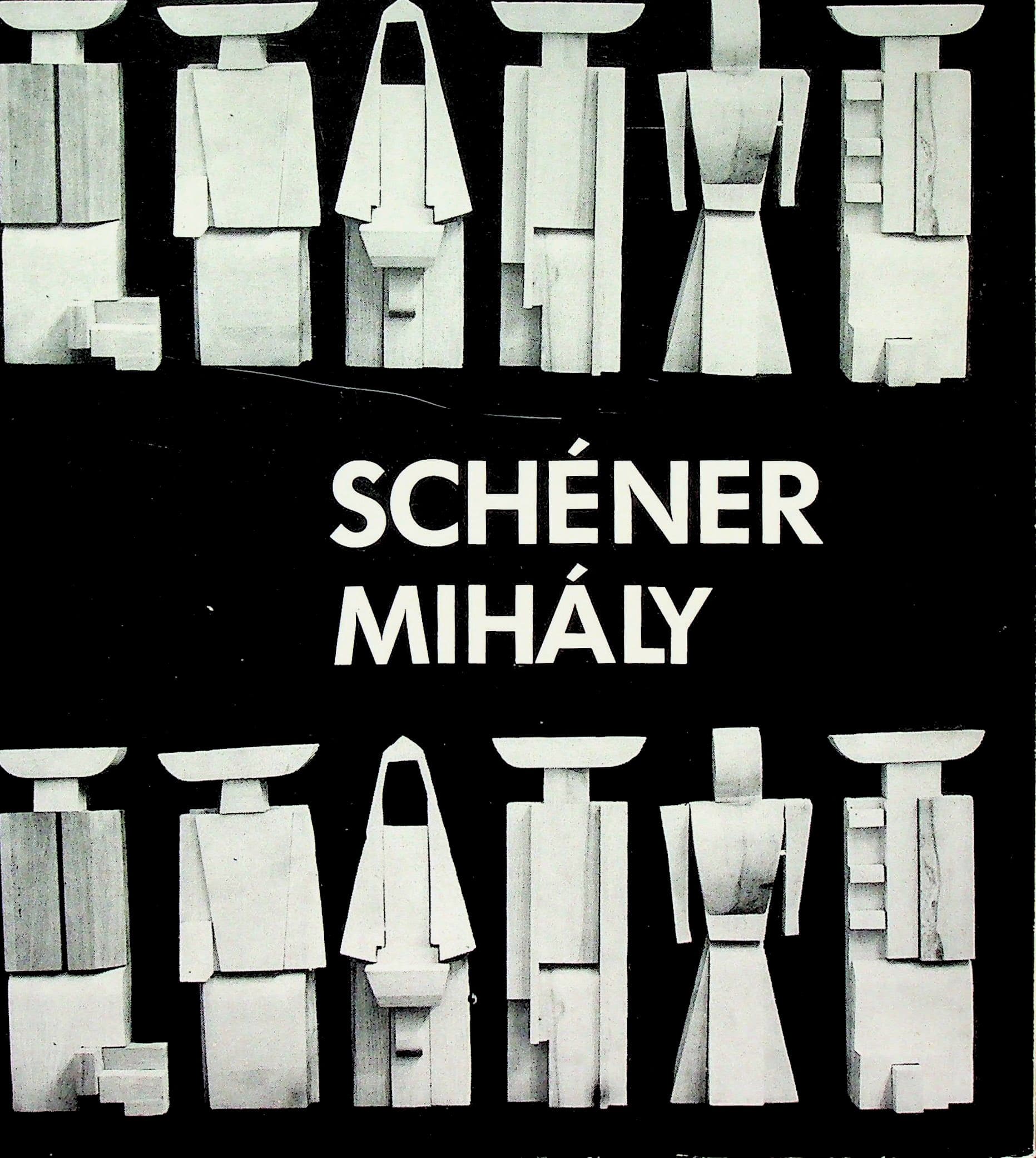
Bekescsaba, Munkacsy Mihaly Muzeum, 1979. Paper covers, [24] pp. (unnumbered) Text in Hungarian; black and white illustrations ; 22 x 20 cm. Issued in an edition of 1,000 copies.

Rare, out-of-print & unusual books · Since 1997
Turn the pages with the arrows, keyboard, or a swipe.
Bekescsaba, Munkacsy Mihaly Muzeum, 1979. Paper covers, [24] pp. (unnumbered) Text in Hungarian; black and white illustrations ; 22 x 20 cm. Issued in an edition of 1,000 copies.
In very good condition with light bumping and creasing to edges of covers and light overall scuffing with a bit of the color scuffed off along edges and spine. Binding tight (staple bound). Pages clean and unmarked. Exhibition catalog published for a solo show held from October 13 to December 2, 1979, at the Munkacsy Mihaly Museum in Bekescsaba, Hungary. Edited by V. Kis Margit, with design by Zahoran Maria and photographs by Varadi Zoltan, Pecser Attila, Grin Igor, and Horvath Andras. This rare catalog documents Schener Mihaly's multidisciplinary practice, focusing on his folk-inspired wooden sculptures, whimsical toy designs, and proposals for a community-centered "toy museum" and creative workshop in Bekescsaba. Includes a foreword letter by Major Mate praising Schener's originality and bridging of folk tradition with modernist tendencies (e.g., constructivism, surrealism, cubism). Illustrated works include wooden mobiles, geometric figure sculptures, slides, rocking animals, and modular toys - many designed for interactive use by children. Mihaly Schener (1923 - 2009) was a Hungarian painter, sculptor, and graphic artist known for his distinctive fusion of folk art traditions with modernist abstraction. Born in Medgyeshaza, Hungary, Schener was deeply influenced by rural life, which shaped his recurring themes of shepherds, peasants, and village customs. His work spans painting, textile-based sculpture, wood carving, and toy design. In the 1970s, he developed a pedagogical focus, creating interactive wooden toys and playground objects for children. Schener was also a prominent cultural organizer and advocate for community arts, particularly in Bekescsaba, where he proposed the establishment of a "toy museum." His work reflects a unique synthesis of Hungarian folklore, constructivism, and surrealism, and remains influential in the field of Hungarian applied arts.