
Description
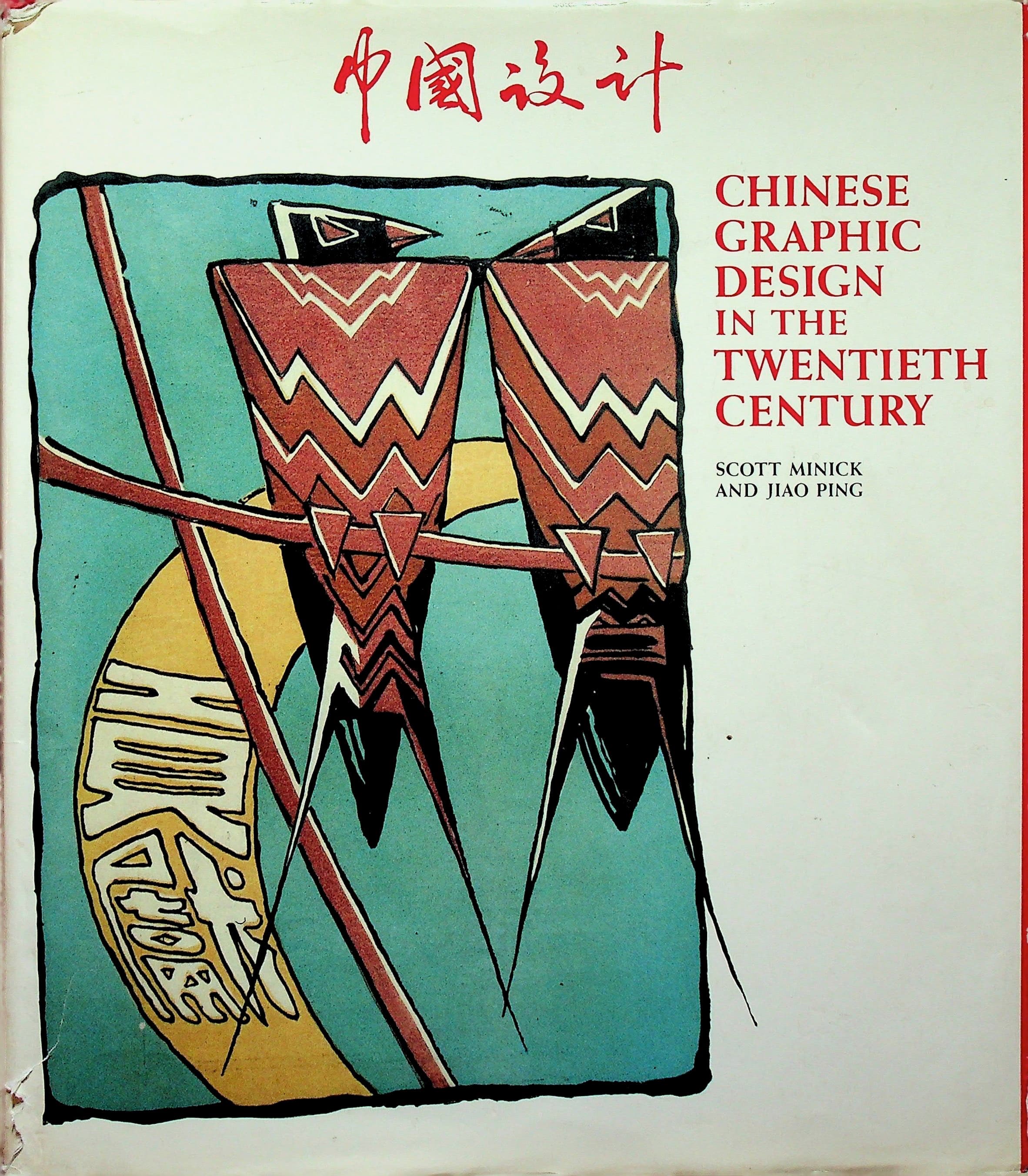
Van Nostrand Reinhold [Published Date: 1990]. Hardcover, 160 pp. First printing, (with full number line). Very good in acceptable dust jacket. Red cloth covered boards with gold lettering on spine. Light bumping and scuffing to edges of covers. Binding tight. Pages clean and unmarked. Dust jacket has a 2" tear to the paper over the bottom edge of the back cover and a few other smaller chips and tears and creasing along edges. light overall scuffing and soiling to jacket as well. Now in an archival-quality (removable) Brodart Cover. With 285 illustrations, 150 in color. [From front jacket flap] In the twentieth century, in the wake of the fall of the Qing dynasty, Chinese traditions were exposed to dramatic influences from outside the country, as well as rapid modernization from within The book is built around an astonishing collection of graphics, brilliantly uncovered by the authors from long-forgotten sources, mostly in China itself, after surviving innumerable upheavals natural catastrophes, war and revolution. Using a wide range of media, from posters, advertisements and ephemera to book covers and magazine designs, Scott Minick and Jiao Ping surprise us with a dazzling panoply of images. Beginning with the basic traditions of Chinese graphics, they show how the writer and artist Lu Xun became the center of cultural revival in the new China. Then we see Art Deco coming to China in the Shanghai Style, a mirror of the heady lifestyle of that great city in the Twenties and Thirties Meantime, a dynamic national design style, influenced by Russian Constructivism but rooted in China's own drive for new technology, was developed The Socialist Realist art of Mao in turn adopted folk art traditions to fuel the Revolutionary machine. And so to the present day, with the continuing search for a new identity seen in the graphic images of protest of the summer of 1989. Throughout, creative twentieth-century design ideas are expressed with a freshness and vitality that recalls the beauty and character of China's own traditions The results are not only a clear commentary on China's recent history and culture, but a revelation for Western designers seeking to adapt traditional visual languages to the Postmodern world.