
Description
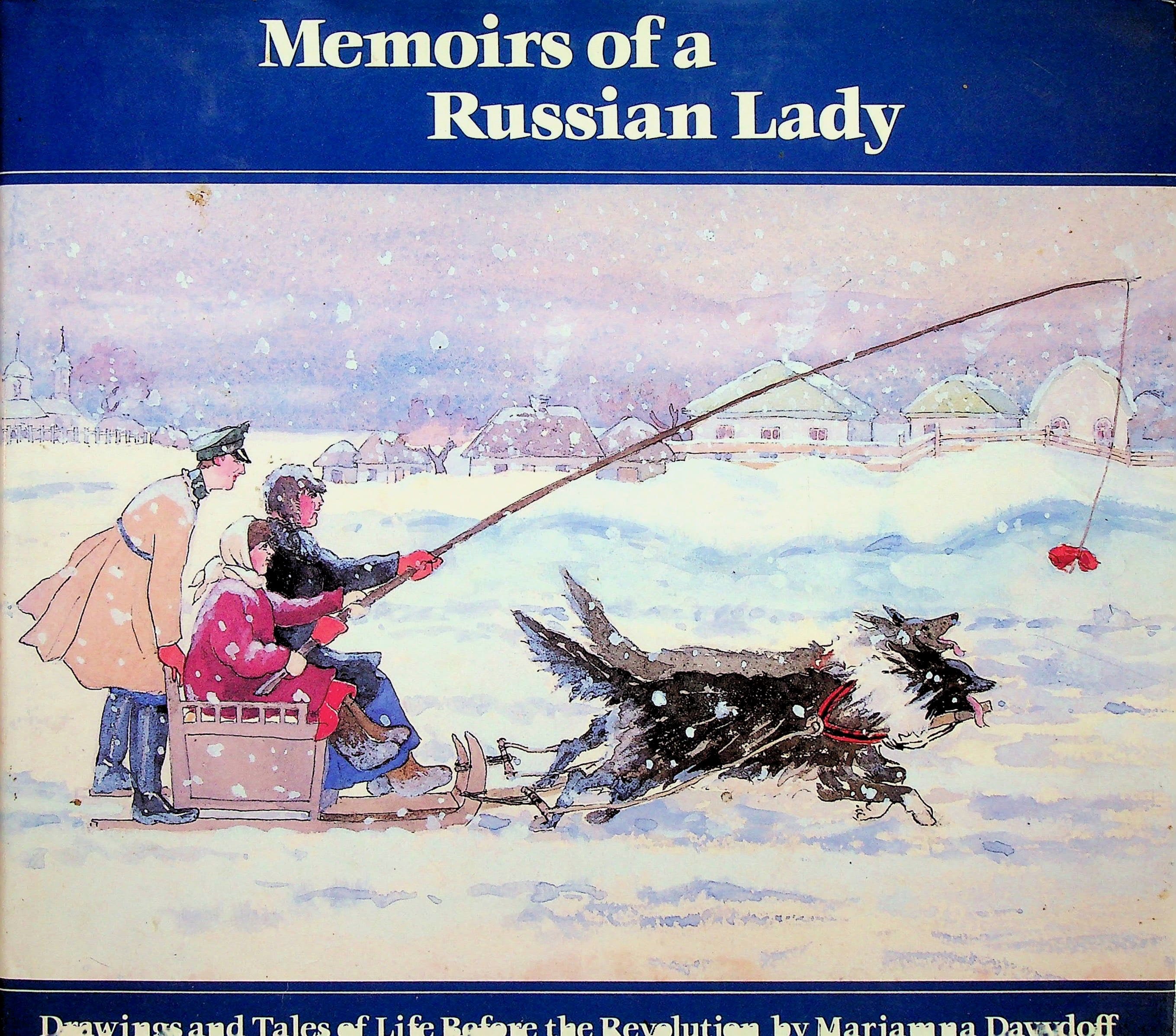
Harry N. Abrams [Published Date: 1986]. Hardcover, 156. No other printings listed. Good+ in good+ dust jacket. Blue cloth covered boards with gold lettering on spine. Light scuffing and fading to edges of covers. Binding tight. Pages clean and unmarked. Dust jacket has two 1" tears to the paper over the top edge of the back cover and a few other smaller nicks and tears and light creasing long edges. light overall scuffing and soiling to jacket as well. Now in an archival-quality (removable) Brodart Cover. NOT Ex-Library. NO remainder marks. 82 illustrations in full color. [From front jacket flap] Mariamna Davydoff, the Russian lady who wrote and illustrated this memoir of her life before the Revolution, was born in 1871 into a large, aristocratic family whose ancestors can be traced back to the eleventh century. After fleeing Russia in 1919, she eventually settled in Brittany with a sister and here reproduced, from memory, albums of detailed text and watercolors that had been abandoned in Russia and were later destroyed by the Bolshevi. The result is a unique, first-hand account of a way of life that we have previously known almost exclusively through the works of Tolstoy, Turgenev, Chekhov, and a few other writers of the late nineteenth century. Davydoff tells of her childhood, youth, and married life on a large country estate, and her nostalgic prose and fluidly rendered paintings evoke warm summer evenings filled with the smells of fields and forests, gay sleigh rides on frosty winter mornings, large families celebrating Christmas and Easter and engaging in various sports and pastimes of long ago. And through it all runs a sense of longing for these better, more innocent times - a sense of paradise lost. While a girl Mariamna Davydoff had studied painting at the Academic Julian and the Grande Chaumiere in Paris, and she later made something of a reputation in Russia as a caricaturist. But when she left her homeland, she had to leave most of her possessions behind, including the watercolors and drawings she had done before the Revolution. This memoir was originally created as a legacy for her daughter, her granddaughters, and her great-grandchildren, and now the selections presented here bring her charming and intimate work to a wider public. Olga Davydoff Dax, who edited and translated the memoirs, is related to Mariamna's husband, and she came across the memoirs when she met Mariamna's daughter in the United States in 1983.