
Description
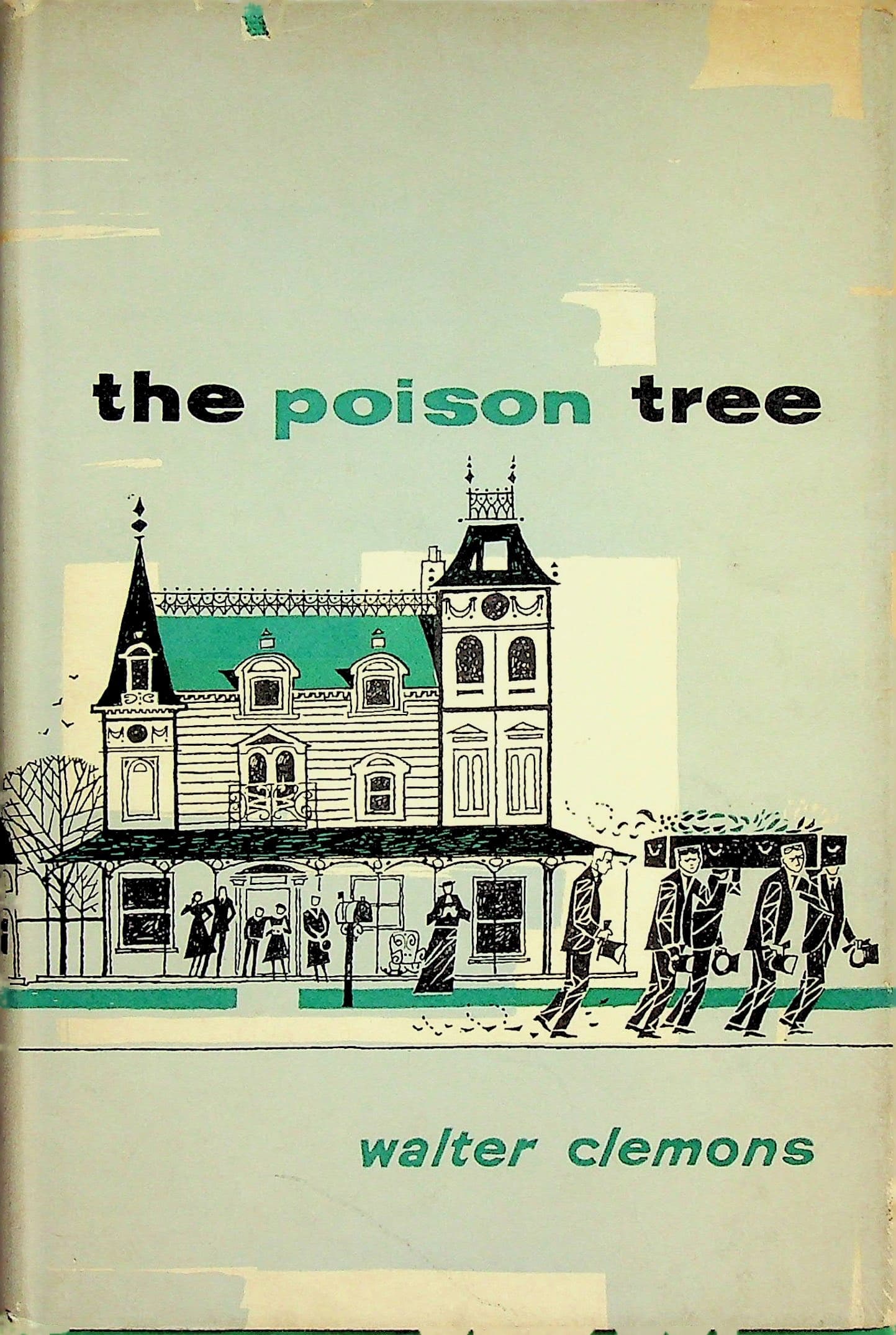
NOTE: UK Edition, Published by Eyre & Spottiswoode, 1959. Hard cover, 191 pp. First UK Edition. Good in acceptable+ dust jacket. Green cloth covered boards with silver lettering on spine. Light bumping and scuffing to edges of covers. Binding tight. Light to moderate spotting along edges of text block. Pages lightly aged but otherwise clean and unmarked. Dust jacket has a 1/2" chip to the top edge of the front cover and several other smaller nicks and tears and light creasing along the edges. Moderate overall scuffing and soiling to jacket as well. NOT price clipped. Now in an archival-quality (removable) Brodart Cover. NOT Ex-library. NO remainder marks. Nice jacket art by Albany Wiseman. [From front jacket flap] A young man, just back from two years at Oxford, is plunged into the milling, talkative family gathering which awaits his grandmother's death. He had loved her, but he feels her identity and his own slipping away as reminiscences, trivial or terrible, whirl round him so that 'he only felt the weight of unknown lives behind him stretching back until the origin of a present pain was lost among the unknowable sorrows of the dead'. The family, its roots poisoned or sound, is the unifying theme of Walter Clemons's stories. A girl who had witnessed her father's death knowingly marries his killer: 'I can face what is terrible at the roots of love'. Small boys stretch out from their warm shelter to a beckoning world. Two sisters explore a winding path of mutual jealousy to their mutual destruction. A group of sailors, bored to death, wait for violence to provide a distraction, while the writer strayed among them discovers the secret source of pain. Whatever Walter Clemons writes about is conceived in deep feeling and expressed with striking immediacy in words. He can dramatise the slightest material, play the most violent with compassion or draw a gentle humour from social predicament, whether it is the awkward boy landed with a plain girl at a junior dance or the young poet trying to convince his girl that his verses are really love poems. This writer is in his late twenties; he is from Texas and the landscape and social climate of the State, changing rapidly in his own short lifetime, is continually present in his stories, as is also his mixed Catholic and Protestant heritage. He graduated from Princeton and came to Oxford as a Rhodes scholar; he has been a deckhand on a tanker, played the piano in cafes in Ibiza and New York, and done reviewing for the Spectator.