
Description
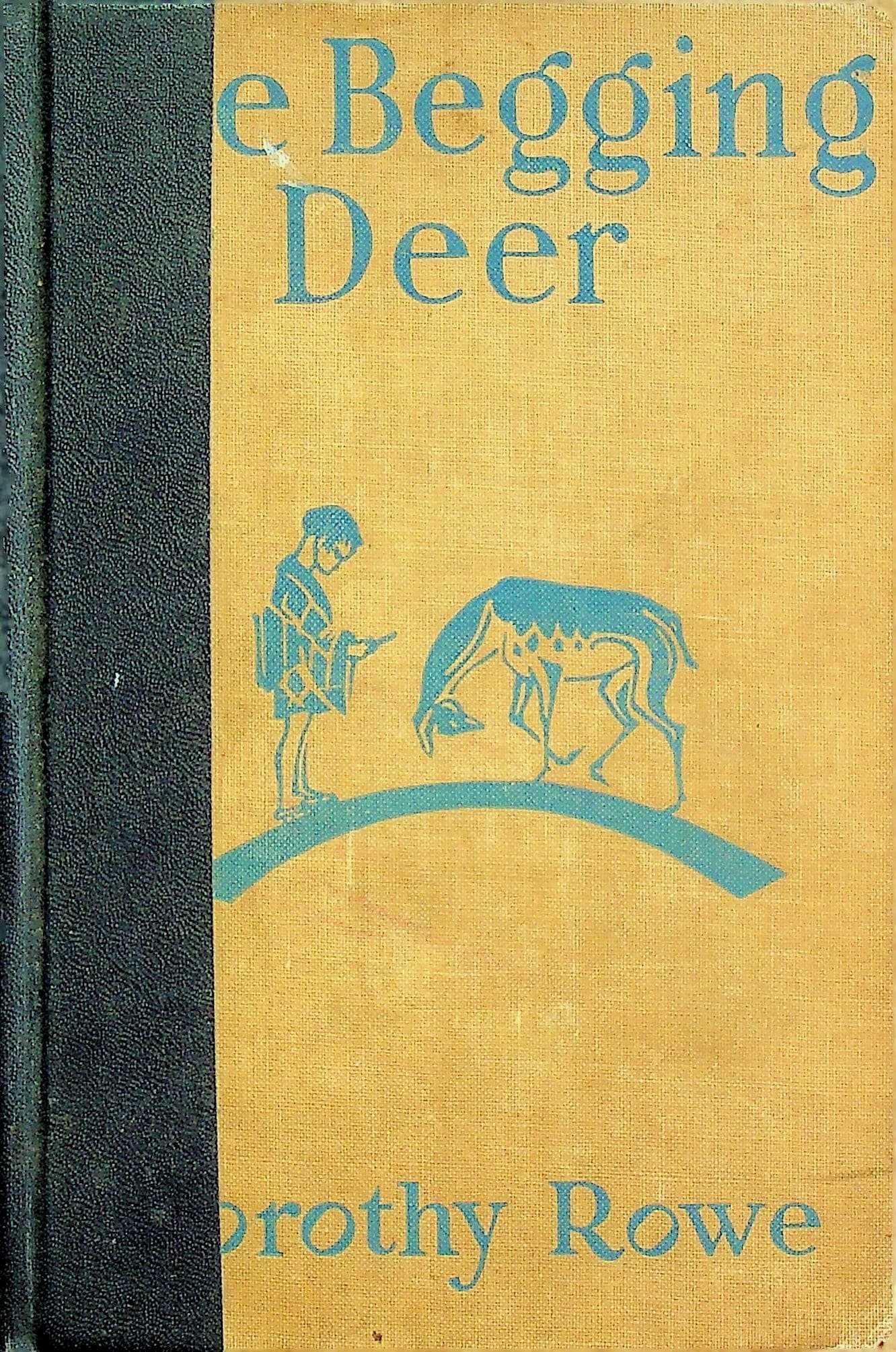
Macmillan [Published date: 1928]. Hard cover, 109 pp. Fourth Printing, October 1937. EX-LIBRARY. Acceptable / NO dust jacket. Brown cloth covered boards with blue illustration and lettering on front. Binding has been repaired with blue cloth tape wrapped around the spine which covers part of the title and illustration on the front cover. Title is hand written in white ink on front. Corners of covers are chipped and frayed with a bit of the underlying boards exposed at corner tips. Moderate overall scuffing and soiling to covers as well. Binding tight (now repaired). Paste-downs and endpapers have been repaired with white paper which covers the original decorated endpapers. Usual library markings including various stamps. Pages are aged but otherwise unmarked with occasional light spotting and nicking along edges. Lovely illustrations by Lynd Ward. A solid reading copy. A collection of stories of Japanese children by the author of "The Rabbit Lantern." With charming illustrations by Land Ward. Contents include: The Begging Deer; The Singing Boards; Ukiko and White Puppy; Flying Carp Flags; Because Yuki Could Add; When the Cherry Tree Bloomed; Seiji and the Pearls; The Bird Who Said Baga. [From Introduction by Carl Whiting Bishop] Good wine needs no bush. No more does this new volume of Miss Rowe's about the child life of the Far East need an introduction. In asking me to contribute one, the writer laid particular stress upon the fact that I had known Japan from birth, and that my earliest playmates had been black-haired, well behaved, intensely human little folk like those whose manner of living and ways of thinking she has portrayed in the following pages. It is true. I too once lived in Arcady, and this little book has made the old days seem strangely real. Once more, out of the past rise up pictures of the Japanese New Year, with its feasting and its holiday spirit; of the Boys' Festival, with its warrior dolls in ancient armor, and the great paper carp writhing and floating over the houses; of the tame, gentle deer at Nara, living testimonies to the all-embracing kindliness of Buddhism. These and many other memories Miss Rowe has recalled to me in he stories, and for doing so I owe her my warm personal thanks. As to the entire accuracy of her portrayals and her "local color," I can speak too from hand knowledge. All her characterizations are true to life. She has drawn them with a sympathy and comprehension that are both exceptional and unexceptionable. This latest book of hers is well worthy to stand beside her previous volumes. It is delightful reading in itself; and is a sincere and successful effort to help us realize the essential oneness of humankind. For that, no less than for its more purely literary merits, it deserves well of the world.