Description
Macdonald, Published 1965. Hardcover, 192 pp.; 22 cm; First Edition; frontispiece portrait; illustrated with black-and-white photographic plates and reproductions of political cartoons and drawings.

Rare, out-of-print & unusual books · Since 1997
Turn the pages with the arrows, keyboard, or a swipe.
Macdonald, Published 1965. Hardcover, 192 pp.; 22 cm; First Edition; frontispiece portrait; illustrated with black-and-white photographic plates and reproductions of political cartoons and drawings.
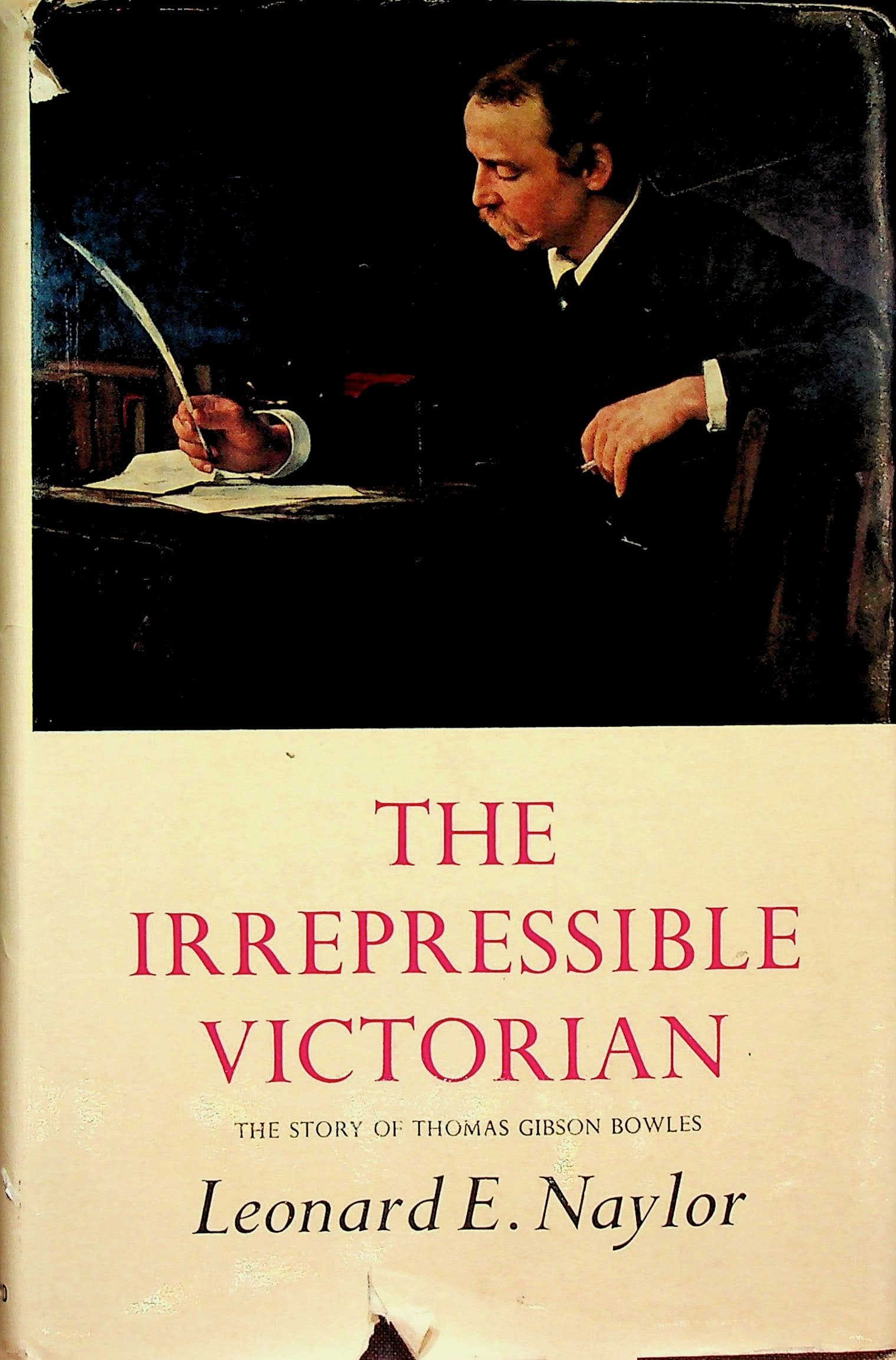
In Good condition with a Good dust jacket. Blue cloth boards with gilt lettering on spine; mild shelf wear with some color loss along edges of covers. Binding tight. Original Caxton Workshop bookseller's stamp (Romford, Essex) on front pastedown; pages mildly toned but otherwise clean and unmarked. The dust jacket is illustrated with a painted portrait of Bowles at a writing desk on a cream ground, title in red, author in black script on the lower panel; mild nicks and tears (one inch or less) along edges, light creasing, and mild overall shelf wear, aging, and toning; price clipped. Now in an archival quality (removable) Brodart cover. [From jacket flaps] Bowles, when in Parliament, was frequently "front page news", and his handsome features were a godsend to the cartoonists. Brilliant war correspondent in the first siege of Paris; revolutionary in weekly journalism (notably with The Lady, still going strong, and with his unique brainchild, the original Vanity Fair); certificated master mariner; builder and navigator of sea-going yachts; distinguished and dynamic Parliamentarian; authority on naval matters and national finance. He was also a successful campaigner against a measure which gravely hampered the work of the Royal Navy during the first two years of World War I and, perhaps most remarkable of all, the victor over the Bank of England in a famous action during which he scorned the aid of professional lawyers. Bowles's close friends included General Gordon, Lord Randolph Churchill and Lewis Carroll. Their letters, many never before published, show that his friendship was greatly valued. He once described himself as a "conspicuous mediocrity", but in fact he possessed outstanding talents and there were no half measures about anything he undertook. . . . Contents: 1. Background, childhood and early career; 2. The founding of Vanity Fair; 3. The Siege of Paris; 4. Bowles and Vanity Fair in trouble; 5. Bowles and some eminent Victorians; 6. The Prince of Wales and others; 7. The High Court; 8. Bowles and Beresford; 9. The founding of The Lady; 10. Bowles "captures" King's Lynn by sea; 11. The Gibraltar Committee; 12. Bowles versus Balfour. The "Free Trader"; 13. Bowles and British sea power; 14. Bowles versus the Bank of England. "The Bowles Act"; 15. Founding of The Candid Review; Index.