Description
Central European University Press, Published 2003. Hardcover, 147 pp.; 23 cm; illustrated with black-and-white and color plates and a genealogical chart.

Rare, out-of-print & unusual books · Since 1997
Turn the pages with the arrows, keyboard, or a swipe.
Central European University Press, Published 2003. Hardcover, 147 pp.; 23 cm; illustrated with black-and-white and color plates and a genealogical chart.
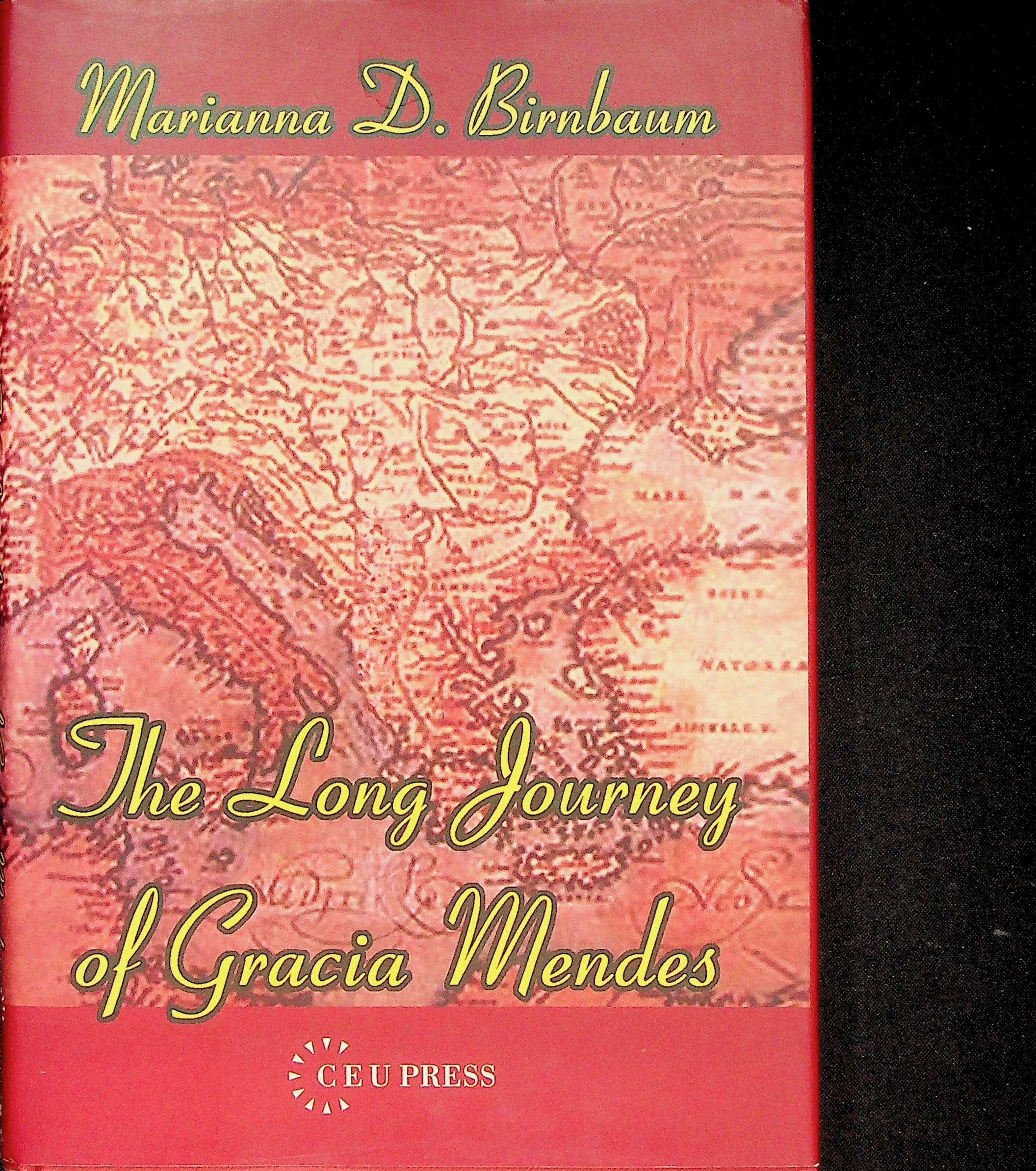
In Very Good condition with a Very Good dust jacket. Brown paper-covered boards with white and brown lettering on spine; mild edge wear to covers; binding tight. Interior pages clean and unmarked throughout. Dust jacket with red ground on front, spine, and rear panels; illustrated front panel with a historical map of the Mediterranean region in rust and cream tones; author name and title in yellow-green script lettering; CEU Press logo at bottom center; rear panel with excerpted quote in italic type and publisher information; light shelf wear; no price shown. Now in an archival quality (removable) Brodart cover.Gracia Mendes was a sixteenth-century entrepreneur and one of the wealthiest women in Europe, who while a practicing Christian remained for much of her life a secret Jew. The biography examines her rise to power in the face of immense obstacles -- political, religious, economic, and social. Born in 1510 in Portugal, Gracia married Francisco Mendes, a successful Jewish spice trader. After her husband's death in 1536 and in response to the religious persecutions of the day, she moved her family from Portugal. Her travels led her through Antwerp, Venice, Ferrara, Ragusa, and finally to Constantinople, from where the Ottoman Empire dominated the territories of former Byzantium and offered shelter for the battered Conversos (converted Jews). After her arrival in 1553, she became the most prominent businesswoman of the community and a patron of Jewish causes.Contents: Chapter 1: Introducing the Family; Chapter 2: A Short History of the Conversos; Chapter 3: Life in Sixteenth-Century Antwerp; Chapter 4: Gracia in Venice; Chapter 5: Gracia and Jewish Patronage in Sixteenth-Century Ferrara; Chapter 6: In Business with Ragusa; Chapter 7: The Ottoman Empire and the Jews; Conclusion; Appendices; Select Bibliography; Index.