Description
Rural Life Publishing Company, Princeton, West Virginia [Published date: 1926]. Hardcover, viii, 166 pp; illustrated with frontispiece and numerous black-and-white photographic plates by E. A. Carson; 20 cm.No other printings listed.

Rare, out-of-print & unusual books · Since 1997
Turn the pages with the arrows, keyboard, or a swipe.
Rural Life Publishing Company, Princeton, West Virginia [Published date: 1926]. Hardcover, viii, 166 pp; illustrated with frontispiece and numerous black-and-white photographic plates by E. A. Carson; 20 cm.No other printings listed.
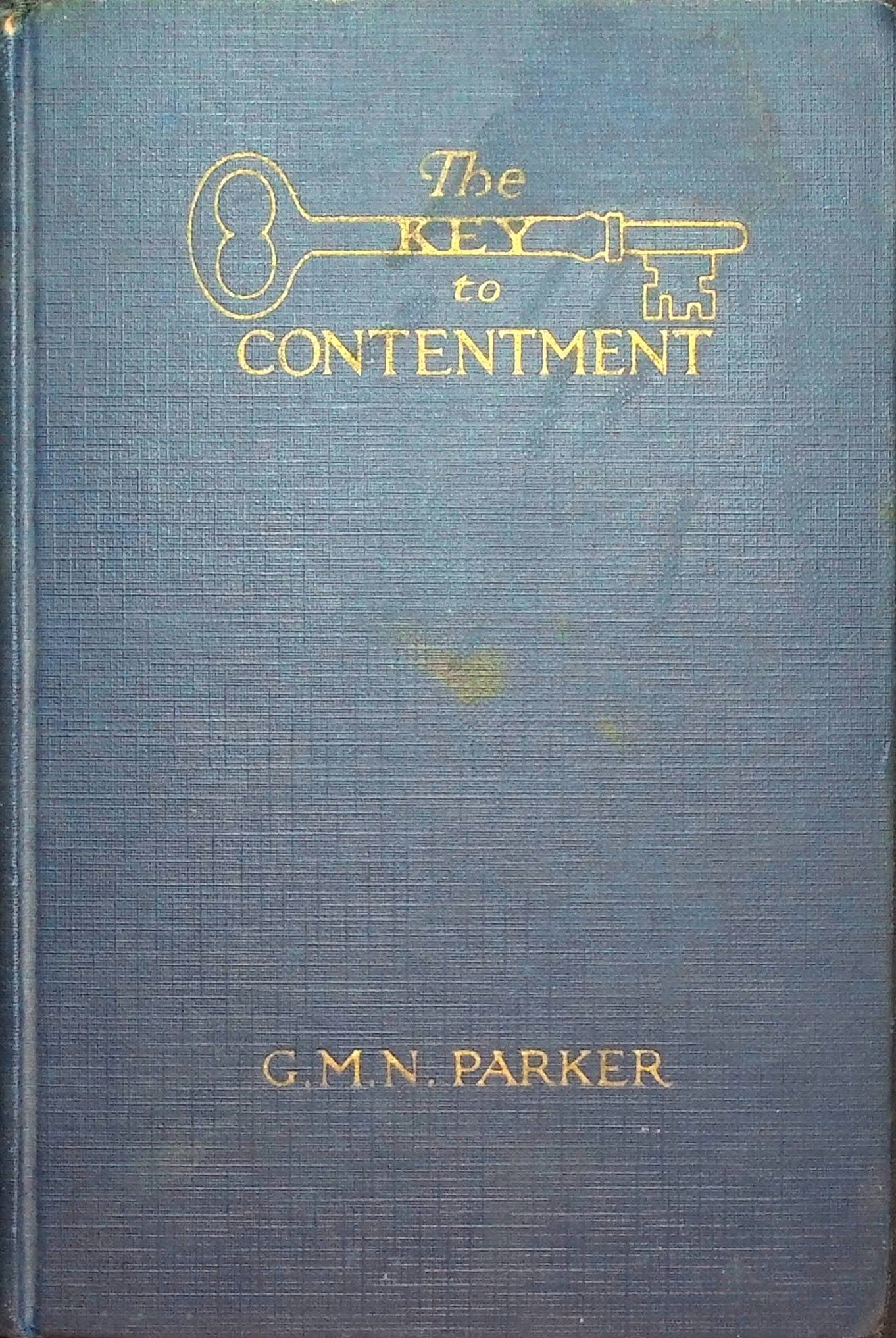
In good condition / no dust jacket. Navy blue cloth boards stamped in gilt on front cover and spine with key motif and title lettering. Bumping to edges and corners of covers with some nicking to the cloth at corner tips and top and bottom of spine. Lettering rubbed off on spine. Light to moderate overall scuffing, spotting, and soiling to covers. Binding tight. Black stain to center of fore-edge of text block. Interior pages lightly toned but otherwise unmarked; photographs printed on glossy stock. Written by G. M. N. Parker, a rural moralist and author of Footprints from the City to the Farm and The Mountain Mystery, this 1926 volume advocates for the renewal of American values through a return to country life and individual self-reliance. Blending moral philosophy, autobiography, and social commentary, Parker rejects socialism and industrial urbanism, arguing that contentment arises from honest labor, family unity, and stewardship of the land. Illustrated throughout with photographs by E. A. Carson capturing farm life and domestic scenes. Contents include: True Equality - Why Socialism Is a Fallacy; The Key to Contentment - The Cause of Discontent; How Much Are You Worth?; My Own United States - What Constitutes a True American; The Poor - Who Are They and Why?; Gaining the Garden - How Do We Return to Eden?; The Toppling Tower; and Dressing Diamonds - Life as a Joyous Journey. A nostalgic reflection of early twentieth-century agrarian idealism, published during the interwar years when America's rural culture stood in tension with rapid industrialization.