
Description
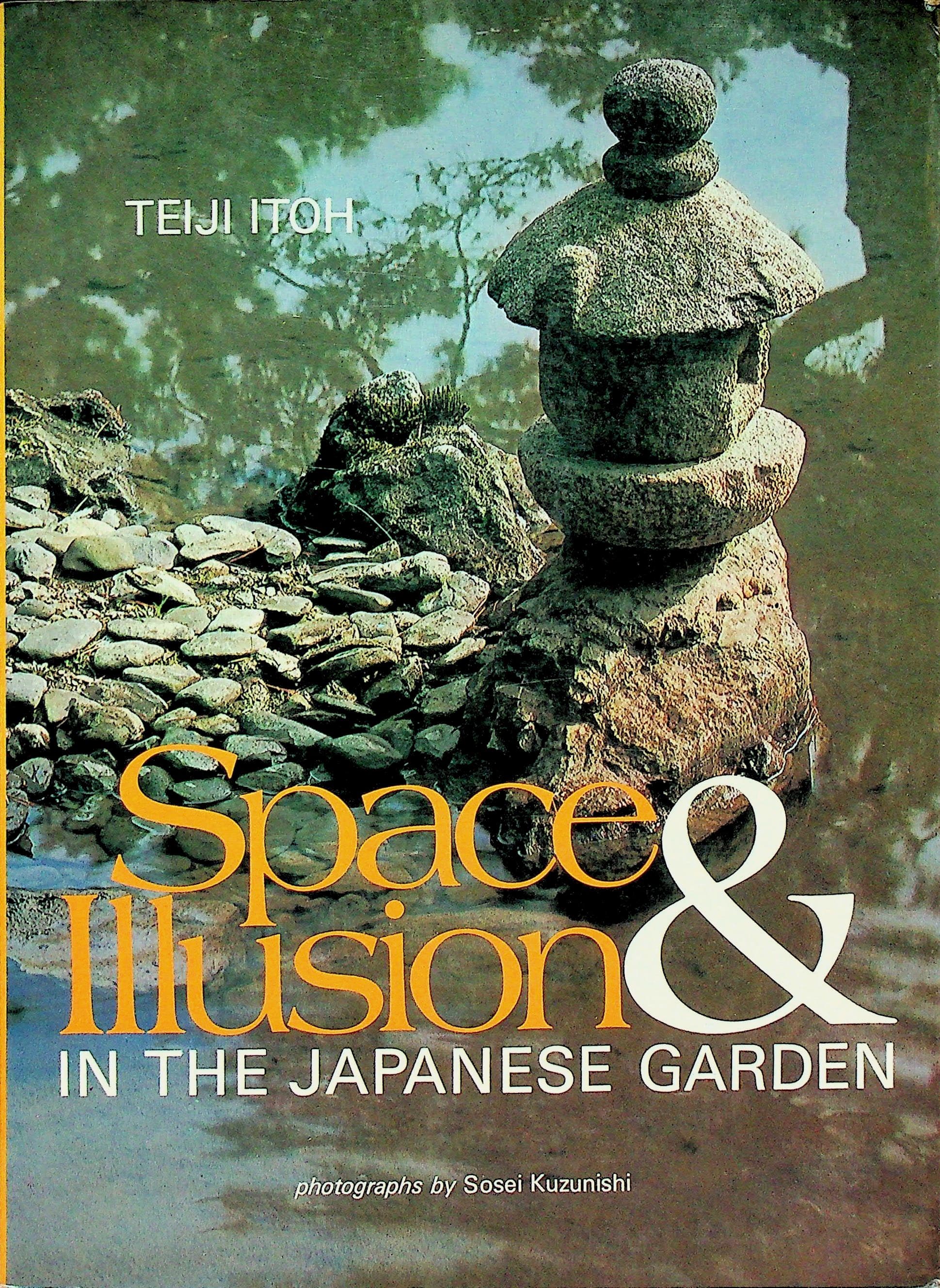
Weatherhill/Tankosha, New York, Tokyo & Kyoto [Published date: 1983]. Softcover, 229 pp; illustrated throughout, including 8 pages in color and numerous black-and-white gravure photographs; 27 cm. Fourth printing (paperback), 1983; originally published in Japanese in 1965 by Tankosha under the title Shakkei to Tsuboniwa (Borrowed Scenery and Courtyard Gardens). Translated and adapted from the Japanese by Ralph Friedrich and Masajiro Shimamura. Text by Teiji Itoh; photographs by Sosei Kuzunishi. In good+ condition. Glossy pictorial paper covers with French flaps. Covers have light bumping and creasing to edges and corners and light overall scuffing. Binding tight. Pages clean and unmarked. Not ex-library. [From cover flaps] "Borrowed scenery" and "the great within the small" are two fundamental concepts of Japanese garden design. They find expression in the two distinctive garden types that form the theme of the present book: the open garden that gains greater spaciousness by means of the borrowed-scenery technique - that is, the incorporation of distant landscapes into the garden setting - and the enclosed courtyard garden that suggests a corner of a great outdoor space and thereby produces an illusion of more than can be seen. Both of these garden types - the courtyard garden in particular - suit themselves to the urban environment. The peculiar magic of Japanese garden design lies to a considerable extent in creating illusions of space in the manner of these two garden types. It also lies in viewing nature as an ally rather than as an opponent to be kept under restraint. Formality is rejected in favor of bringing nature itself into the garden, and the hand of the designer is never overtly revealed. Illusions of space are achieved by a number of devices, but the garden, even when it generates psychological effects, must be natural above everything else. This book discusses the borrowed-landscape garden and the courtyard garden in the perspective of their colorful history and in the light of the aesthetic principles that govern their design. More concretely, it also discusses the techniques employed in designing the gardens - for example, how borrowed scenery is "captured" and how even the smallest courtyard garden can be made to suggest a larger space than it actually occupies. The text is accompanied by an unusually generous selection of photographs: 8 pages in color and 112 pages in black-and-white gravure. The book gives appropriate attention to the all-pervading influence of the tea ceremony in traditional Japanese culture, particularly in relation to garden design as represented here by the courtyard garden. At the same time, through its numerous historical sidelights, it brings to life the people who made the gardens and took pleasure in them. It is only natural that the major locale for this engaging exposition of Japanese garden art should be the city of Kyoto, where the Japanese garden, like traditional Japanese culture itself, reached its highest level of development.