Description
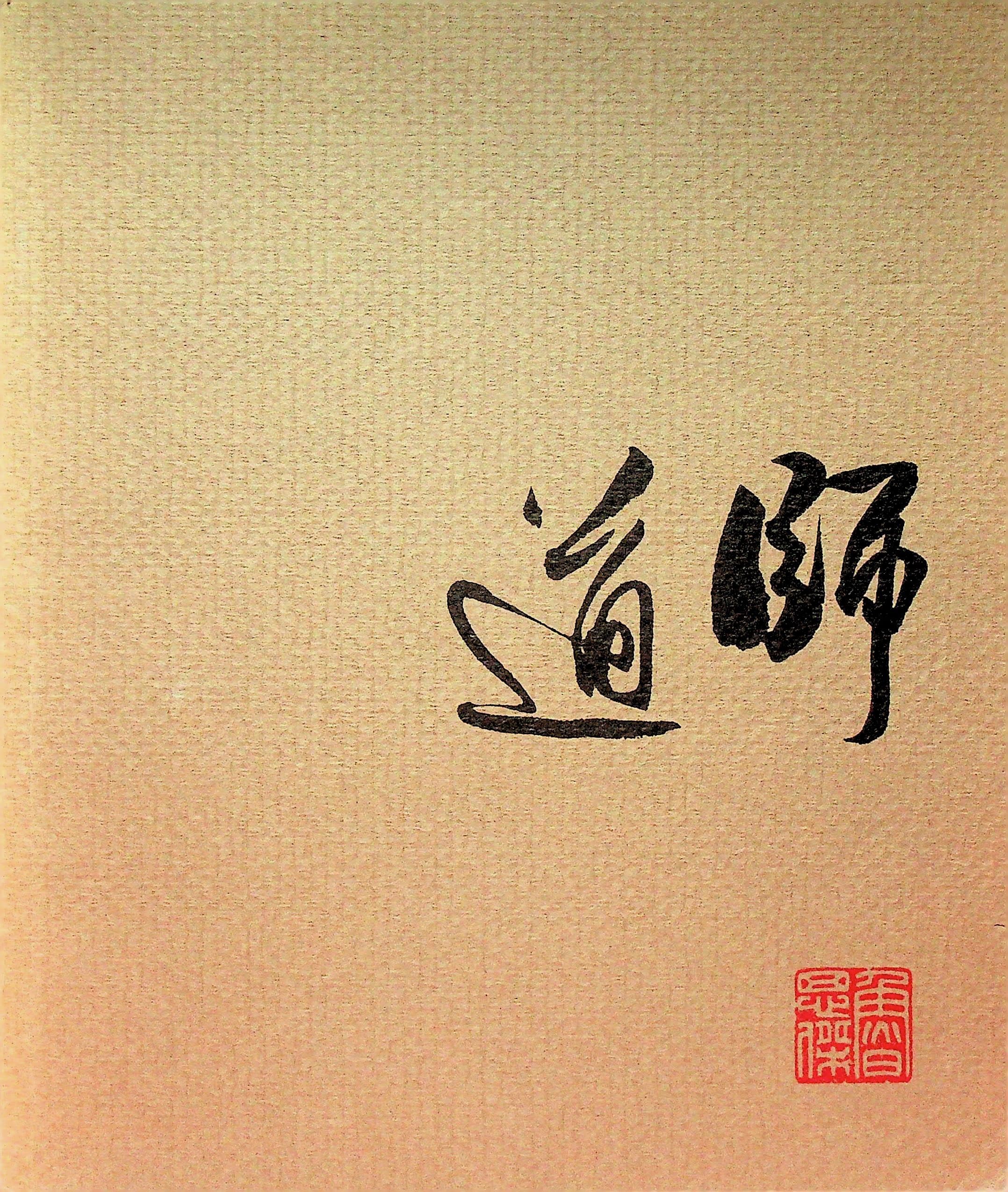
Houston: The Museum of Fine Arts, 1981 ; Bulletin (Museum of Fine Arts, Houston), new series, volume 7, number 3. 85, [21] pp. Illustrated throughout (some color plates). 25 cm. Printed textured paper wrappers with calligraphic design by Kwan S. Wong and red seal on cover.
Condition & notes
In good condition with light bumping to edges and corners and light overall scuffing and fading to spine. Front endpaper is beginning to pull away from the text block but is still attached at the top. Glued binding in brittle and delicate, but still intact. Previous owner's gift inscription in ink on half-title page. Otherwise pages are unmarked. Catalog issued to accompany the exhibition held at the Masterson Study Gallery, Museum of Fine Arts, Houston, February 6 to May 3, 1981. The publication explores Chinese and Japanese ink painting and calligraphy traditions, emphasizing stylistic evolution and technical practices. Includes detailed scholarly entries on featured works, arranged by artist, with biographical sketches and interpretive notes. [From Foreword by William C. Agee] Masterson Study Gallery is designated for exhibitions that present works of art within the context of a single theme, critical argument, or aesthetic statement. An exhibition thus specifically directed in its purpose brings into sharp focus the special characteristics and nature of the works exhibited. [This exhibition] challenges the Museum audience to study an area of Oriental Art not currently represented in the Museum collection. The exhibition introduces the formal and technical questions of Chinese and Japanese painting, and this accompanying catalogue provides a source for the student who seeks further insight. Concurrent with the Museum's commitment to build its permanent collection, an ongoing exhibition schedule expands the immediate scope of the collection. Fine exhibitions, large or small in scale, raise new issues. The thirty-eight works exhibited pose challenging questions about the complex and varied schools of the late Ming and Ch'ing Dynasties in China, of the Edo period in Japan, and of more recent developments in emerging schools of the 20th century.