
Description
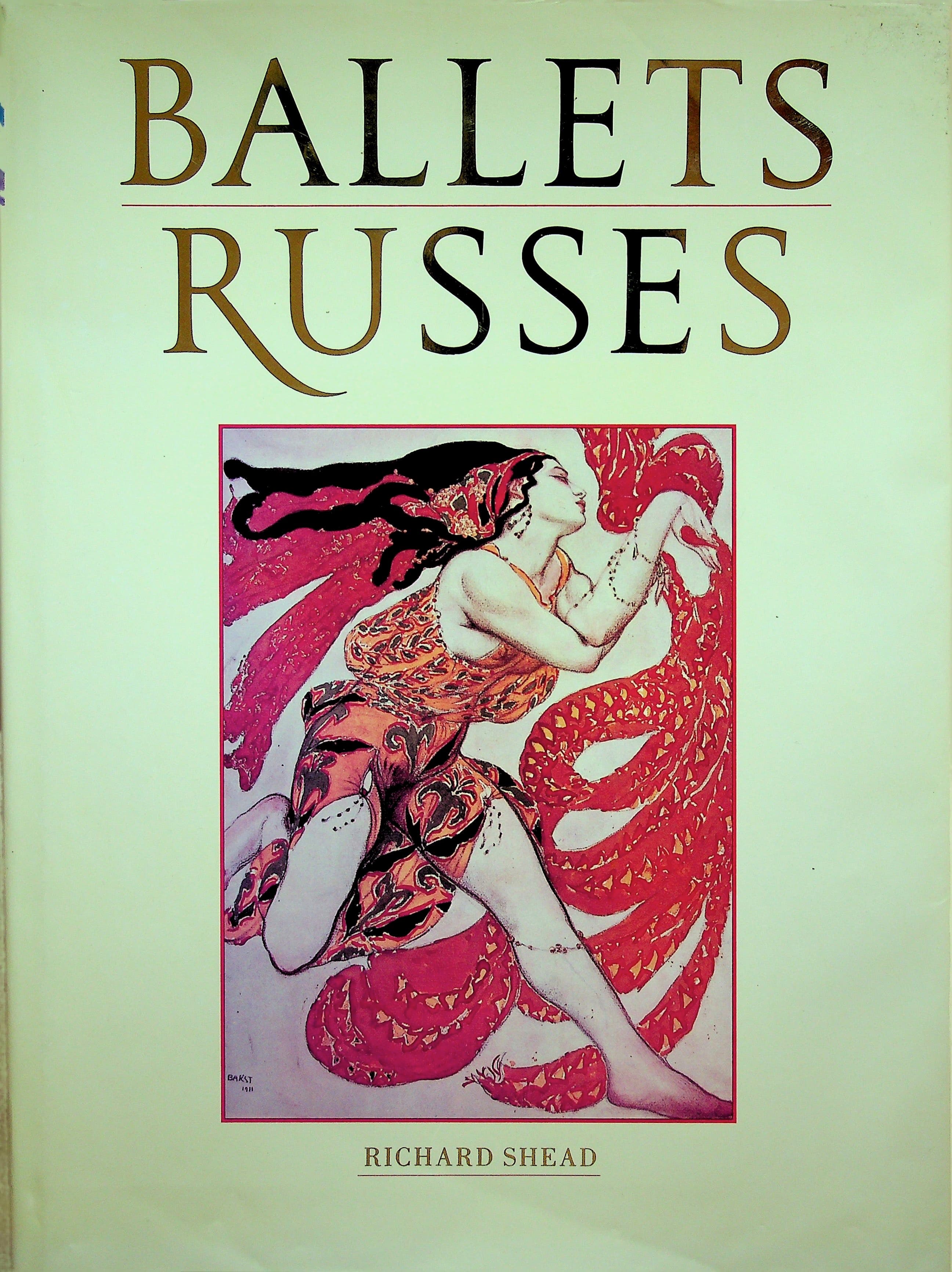
Wellfleet Press [Published Date: 1989]. Hardcover, 192 pp. No other printings listed. Very good in very good dust jacket. Oversized (9.75 x 13") brown paper over boards have light bumping and scuffing to edges of covers. Binding tight. Pages clean and unmarked. Dust jacket has a few small nicks and light creasing to edges. light overall scuffing to jacket as well. Now in an archival-quality (removable) Brodart Cover. Color and black and white illustrations. [From front jacket flap] Russian ballet first flowered under the Western influence of dancers and teachers such as Petipa; by the early 19th century its social and artistic standing were firmly established. It was the genius of Sergei Diaghilev, however, that brought Russian dance to the Western world at the beginning of the 20th century. The Ballets Russes' first season in Paris in 1909 was a triumph - audiences were stunned by the quality of the dancing, the spectacular sets and the exotic atmosphere of the ballets. The sets and costumes had an almost instant effect on contemporary fashions in clothes, decoration and furnishings. This is the dramatic story of the Ballets Russes during the Diaghilev years - its artistic triumphs and financial vicissitudes, its influence on Western fashion, intellectual and artistic thought and, above all, on dance which was revitalized by the brilliance of the Russian performances. The company Diaghilev assembled and then managed with his unique combination of ruthless determination, charm and artistic genius comprised some of ballet's greatest dancers and choreographers - Fokine, Pavlova, Karsavina, Njinsky, Massine and Balanchine - who were given scores by great composers such as Ravel, Stravinsky and Debussy. Costumes and scenery were designed by painters like Bakst, Benois, Picasso and Di Chirico. With this startling concentration of talent, it is hardly surprising that the Ballets Russes made such a lasting impact. For, although the company itself did not long survive Diaghilev's death, the tradition of the Ballets Russes is still very much alive.