Description
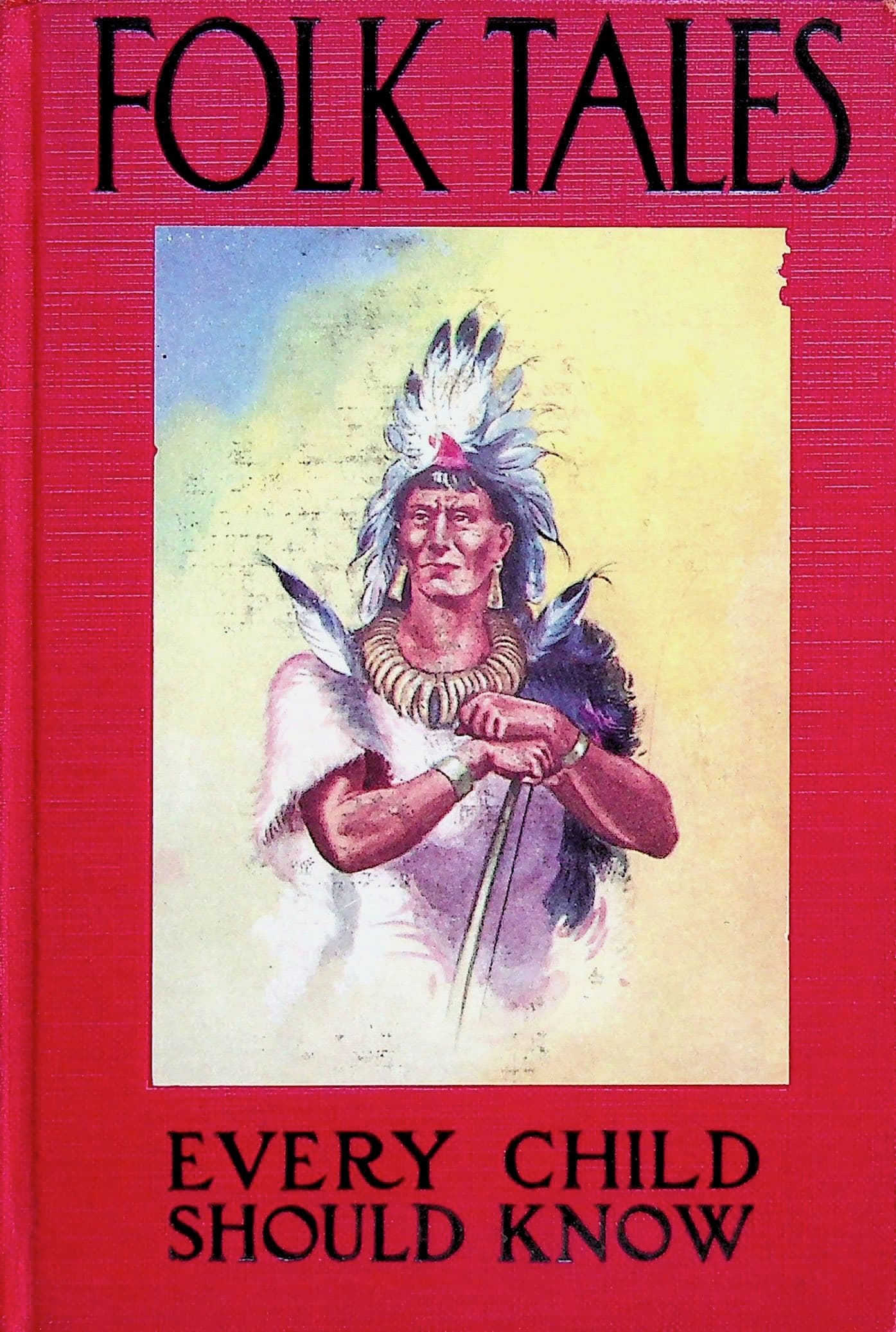
Doubleday, Doran & Co. for The Parents' Institute, Inc., What-Every-Child-Should-Know-Library [Published Date: 1912]. Hardcover, xviii, 215 pages. Reprint edition. Decorative endpapers by E. MacKinstry. Color Cover and Frontispiece illustration. No other illustrations.
Condition & notes
In good condition. Red cloth covered boards with color illustration pasted on front cover and black stamped lettering on front and spine. Light bumping to edges of covers and light overall scuffing. Binding solid. Light aging to endpapers. Otherwise pages are lightly aged but unmarked. NOT Ex-Library. NO remainder marks. A nice copy of this classic. Contents include: Introduction by Hamilton W. Mablie; Hans in Luck (Grimm's Fairy Tales); Why the Sea is Salt from "Popular Tales from the Norse," by Sir George Webbe Dasent; The Lad Who Went to the North Wind from "Popular Tales from the Norse," by Sir George Webbe Dasent; The Lad and the Devil from "Popular Tales from the Norse," by Sir George Webbe Dasent; Ananzi and the Lion from "Popular Tales from the Norse," by Sir George Webbe Dasent; The Grateful Foxes from "Tales of Old Japan," by A. B. Mitford; The Badger's Money from "Tales of Old Japan," by A. B. Mitford; Why Brother Bear has No Tail from "Nights with Uncle Remus," by Joel Chandler Harris; The Origin of Rubies from "Folk Tales of Begal," by Rev. Lal Behari Day; Long, Broad and Sharpsight, Translated from the Bohemian by A. H. Wratislaw, in Sixty Folk Tales, from Exclusively Slavonic Sources"; Intelligence and Luck (ibid); George With the Goat (ibid); The Wonderful Hair (ibid); The Dragon and the Prince (ibid); The Good Children (ibid); The Dun Horse from "Pawnee Hero Stories and Folk Tales," by George Bird Grinnell; The Greedy Youngster form the Norwegian tale by Peter Christian Asbjornsen; Hans, Who Made the Princess Laugh (ibid); The Story of Tom Tim Tot, an old Suffolk Tale, given in the dialect of East Anglia. From "Tom Tit Tot. An Essay on Savage Philosophy in Folk Tale," by Edward Clodd; The Peasant Story of Napoleon, from "the Country Doctor" by Honore de Balzac.