
Description
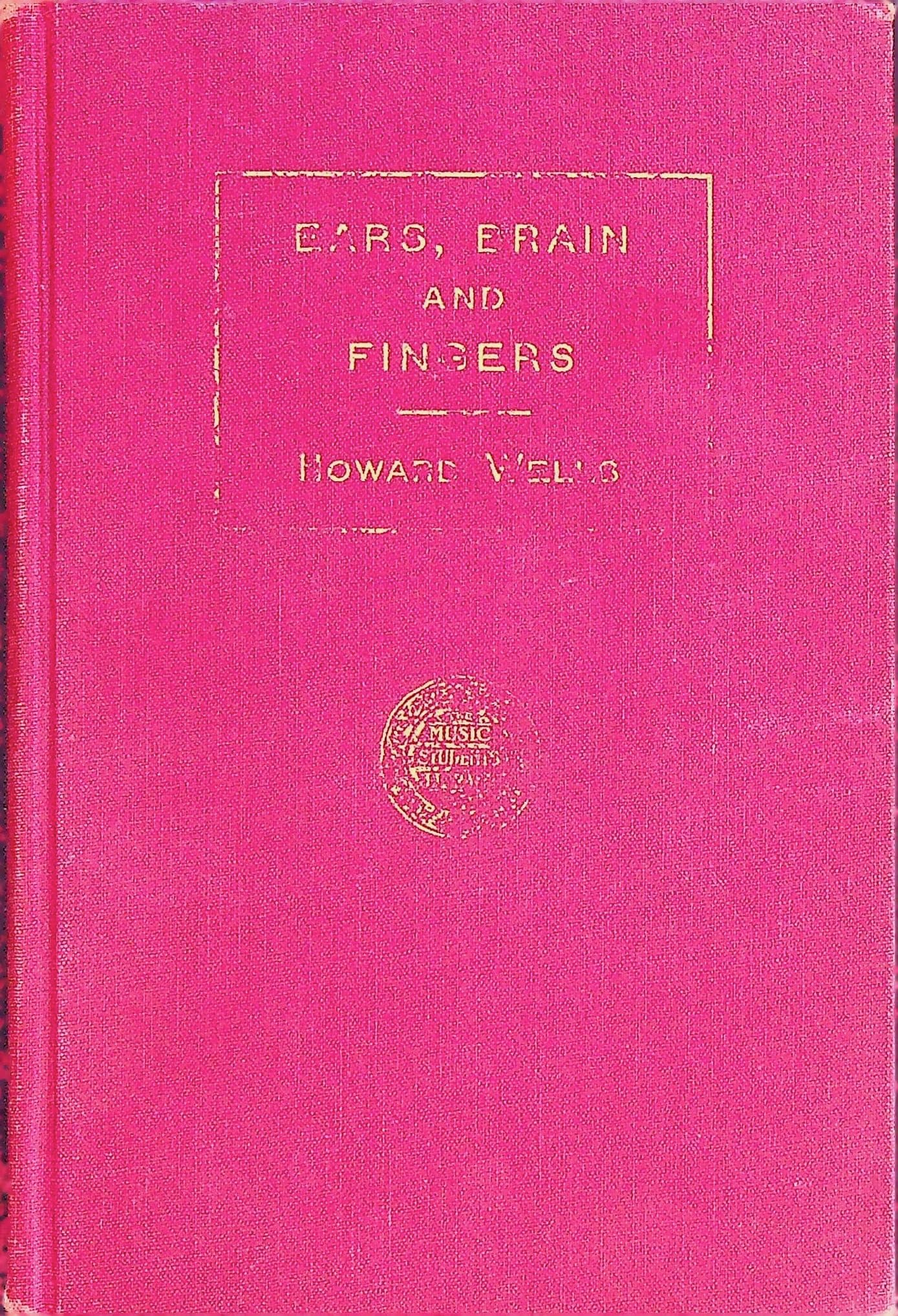
Oliver Ditson Company [Published Date: 1914]. Hardcover, 97 pp. First Edition. In acceptable condition / no dust jacket. red cloth covered boards with gold lettering on front and spine. Light bumping and scuffing to edges of covers and light overall scuffing, aging and soiling with much of the title scuffed off on the front and spine. Spine has several thin cracks but binding is still intact. Previous owner's name blacked on with ink on front free end paper. A few pages have underlining and margin notes in pencil. Pages are lightly aged as well. Overall a solid reading copy. Some black and white illustrations. [From 1914 publisher's statement] A suggestive little book both for piano teachers and pupils, with the information presented in a simple, clear manner. Tells how to give and take a piano lesson, and in a series of discussion with good musical illustrations shows how ears, brain and fingers may be taught to work coordinately. Mr. Wells is an exponent of the [Theodore] Leschetizky method and was, until the war broke out in 1914 (when he returned to the United States, locating in Chicago) a successful teacher of the piano in Berlin for a number of years. The object is to place in the hands of teachers and pupils materials which covers the fundamental needs of pupils, and a method whereby "Ears, Brain, and Fingers" are trained to co-ordinate action. The chapters on ear training present much new and practical exercise. Every progressive teacher will want this book. This volume will serve its purpose if it helps the teacher and pupil to realize that in musical development it is earnestness of purpose united with concentrated, intelligent listen which makes every lesson count. Contents include: Introductory; How to give and take a piano lesson; The first piano lesson; Hearing single tones; 2/24 time; rocking wrist exercise; Hearing 3/4 and 4/4 time, beginning memorizing, finger action; Hearing Melodies, eighth notes, quick finder stroke, finger work in close position, Hearing dotted notes, bass clef, finger work in free position with increased speed, Hearing 6/8 time, hearing tonic, dominant and sub-dominant triads, wrist work; Hearing triplets, sixteenths and thirty-seconds, predatory work for scales; Hearing inversions of tonic, dominant, and sub-dominant triads, exercises for concentration, the close touch; Hearing two voices, scales; Hearing tonic, dominant and sub-dominant triads in combinations, arpeggios; Hearing complete cadences, chord playing; Hearing of phrasing, dynamics and pearling, memorizing; Some useful hints.