
Description
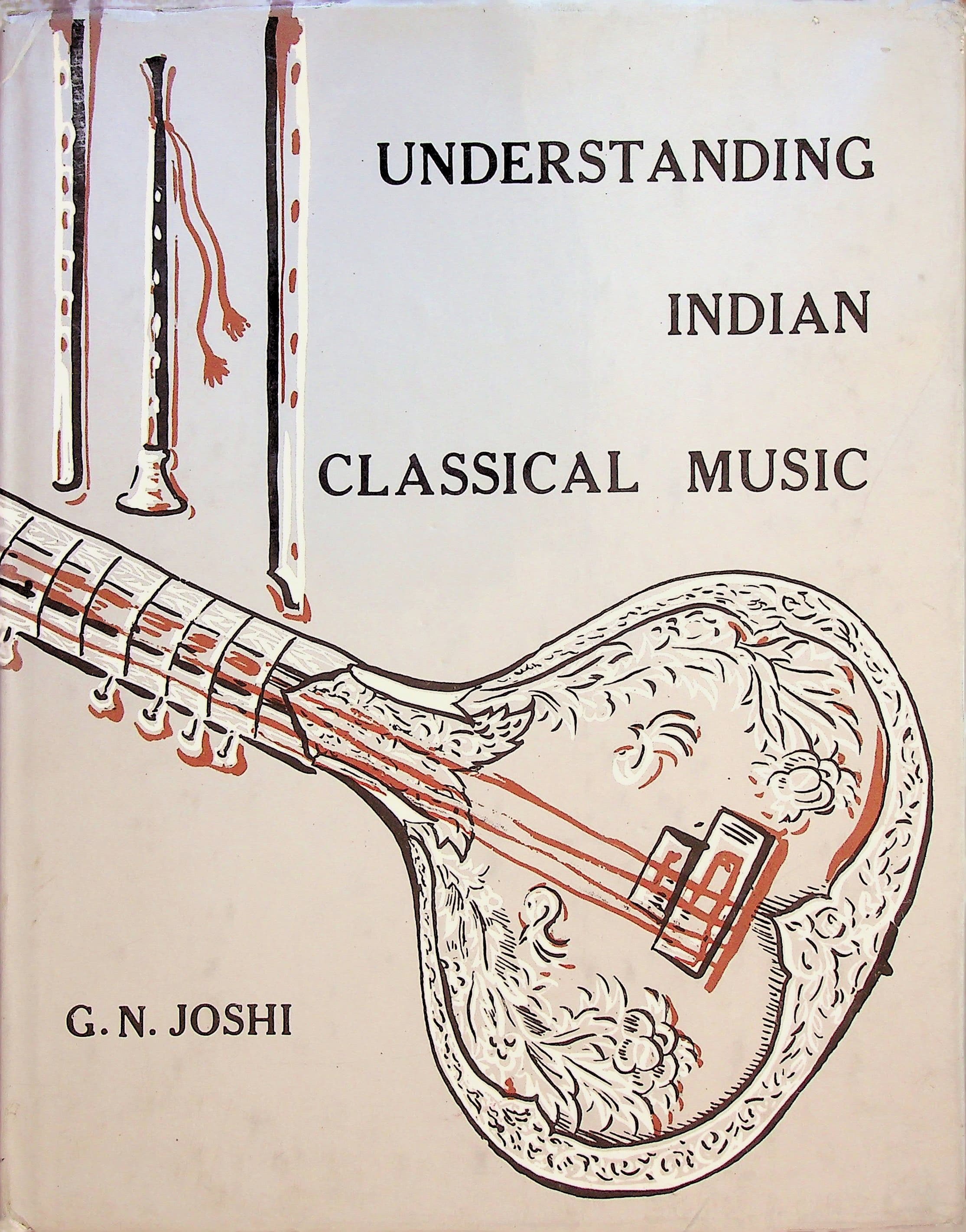
Taraporevala, Bombay India [Published date: 1977]. Hard cover, 46 pp, plus 64 pages of black and white plates. First Edition. Good in acceptable+ dust jacket. Black cloth covered boards with gold lettering on spine. Light bumping to edges and corners of covers and light overall scuffing. Binding solid. Pages lightly aged but otherwise unmarked, with some light damp staining to edges of some plates. Dust jacket has a 1 1/2" tear on the top edge of the back cover and several other smaller nicks and tears and creasing along edges. Moderate overall scuffing and light soiling to jacket as well. Now in an archival-quality (removable) Brodart Cover. NOT Ex-library. NO remainder marks. With 67 half-tone plates. [From front jacket flap] Given a true love for serious music, it is possible to enjoy Western classical music without knowing much about it, on account of its harmonic composition, its orchestral structure, and rich tonal colouring. But not so Indian classical music which is purely melodic and may sound tonally thin to untrained ears. In order to appreciate its subtle charm to the fullest extent, it is necessary for the listener to have a clear understanding of its theory and technique, its grammar and vocabulary. This is what the author has set out to do in this book - show the reader how he also can understand and appreciate the subtle nuances of the classical music of India. This is a task he has very well accomplished with clarity and without ambiguity and surprisingly without delving unduly into the intricacies of the subject. Here is just enough information to enable the reader to be an appreciative listener of Indian classical music, and no more. To further his knowledge and interest, there are 67 large, superbly reproduced plates depicting relevant ancient sculpture, musical instruments of all kinds - string, wind, and percussion - and fine photographs illustrating their mode of play by well-known artistes of today. This is thus a book to be studied for a true appreciation of Indian classical music and an art book to be treasured for all time for its excellent illustrations. It is a book for the Indian unfamiliar with the music of his country, and the Westerner who is primarily unable to enjoy India's musical modes because of a lack of understanding on his part of what may sound to him, in the beginning, as strange, unfamiliar, and tonally weak as compared to the richness of tonality of Western music with which he may be fairly familiar. But once he begins to understand what Indian classical music is all about, after a study of this informative book, he will develop a sincere liking for it, arising out of knowledge leading to understanding and appreciation. He must also become familiar with India's musical instruments - and the text and many large plates in the book will enable him to do so. Whether an Indian, an American, or an European, if you are unfamiliar with Indian music, but desire to understand it at present it is gaining rapid ground abroad - if you cannot appreciate its subtlety or underlying tonal beauty, its science and technique, this is just the book for you.