
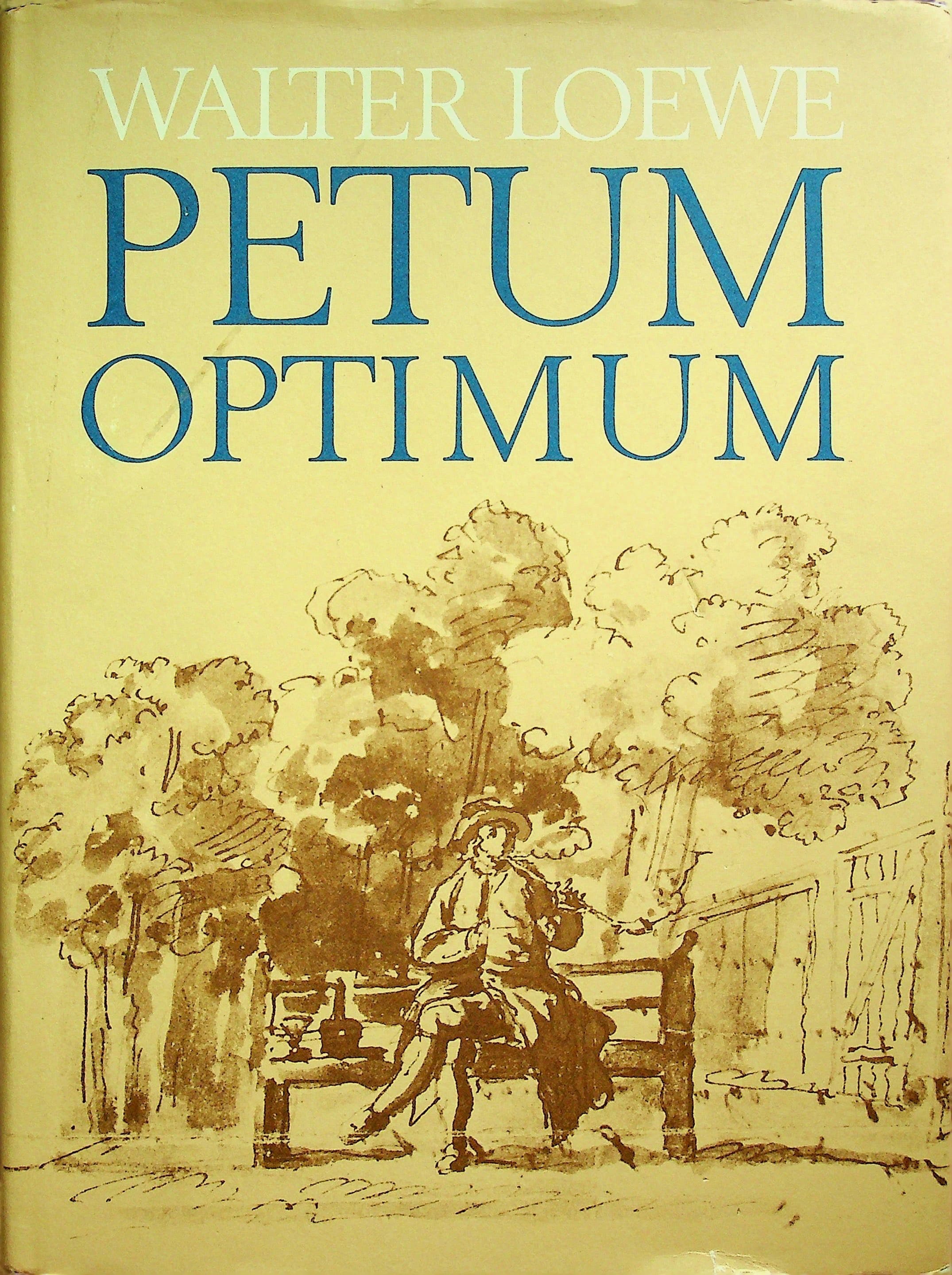
Description
Norma Publishers [Published Date: 1990]. Hardcover, 231 pp. No other printings listed. "A book on tobacco in Sweden from the beginning of the 17th century until modern times. Published on the occasion of the Swedish Tobacco Company's 75th anniversary in 1990." Very good in very good dust jacket. Brown cloth covered boards with gold emblem on front and gold letter on spine. Light bumping and scuffing to edges of covers. Binding tight. Pages clean and unmarked. Dust jacket has a few small nicks and tears and light creasing along edges. light overall scuffing to jacket as well Now in an archival-quality (removable) Brodart Cover. NOT Ex-Library. NO remainder marks. Illustrated throughout [From back cover] What connection is there between an equestrian portrait by Rembrandt in The National Gallery in London and a Swedish business concern in 17th century Stockholm? Why should a figure in a mosaic in one of Rome's most famous churches also appear on an early tobacco packet from Sweden? Was a case of theft in Stockholm in 1616 the first indication of tobacco usage in Sweden? These and many other such questions are examined in this book on one of the oldest trades in Sweden. The Swedish tobacco history with its succession of decrees, ordinances and concessions, now granted, now abolished, is also populated with a variety of fascinating characters. Here we have "Thousand daler Brita's" son who broke into a merchant's premises and stole a bundle of tobacco, thereby providing us with the first definite evidence of tobacco usage in Sweden. The Rembrandt portrait presents a Dutch merchant prince who in the mid-1660's supplied the Swedish tobacco industry with leaf tobacco, tobacco products and, in particular, labor. That labor force included the Dutch tobacco spinner Petter Mynder who grew up in one of the poorer quarters of Amsterdam and became a wealthy merchant in Stockholm. But the book also portrays other, more humble individuals like the tobacco spinner Asmund Hansson and his family whose pathetic story is told with both insight and compassion. One section of the book is devoted to tobacco packaging. The design and decorations of tobacco packets have a history extending hundreds, even thousands of years back through time. One of the most widely used tobacco marks in the 18th century was Hope, a motif with its roots in classical antiquity. From sources in Swedish, Dutch and English archives, from University libraries, ancient coins and from collections in Sweden and abroad there emerges an absorbing commercial history with many hitherto unrecognized details and a host of unique and colorful illustrations.