
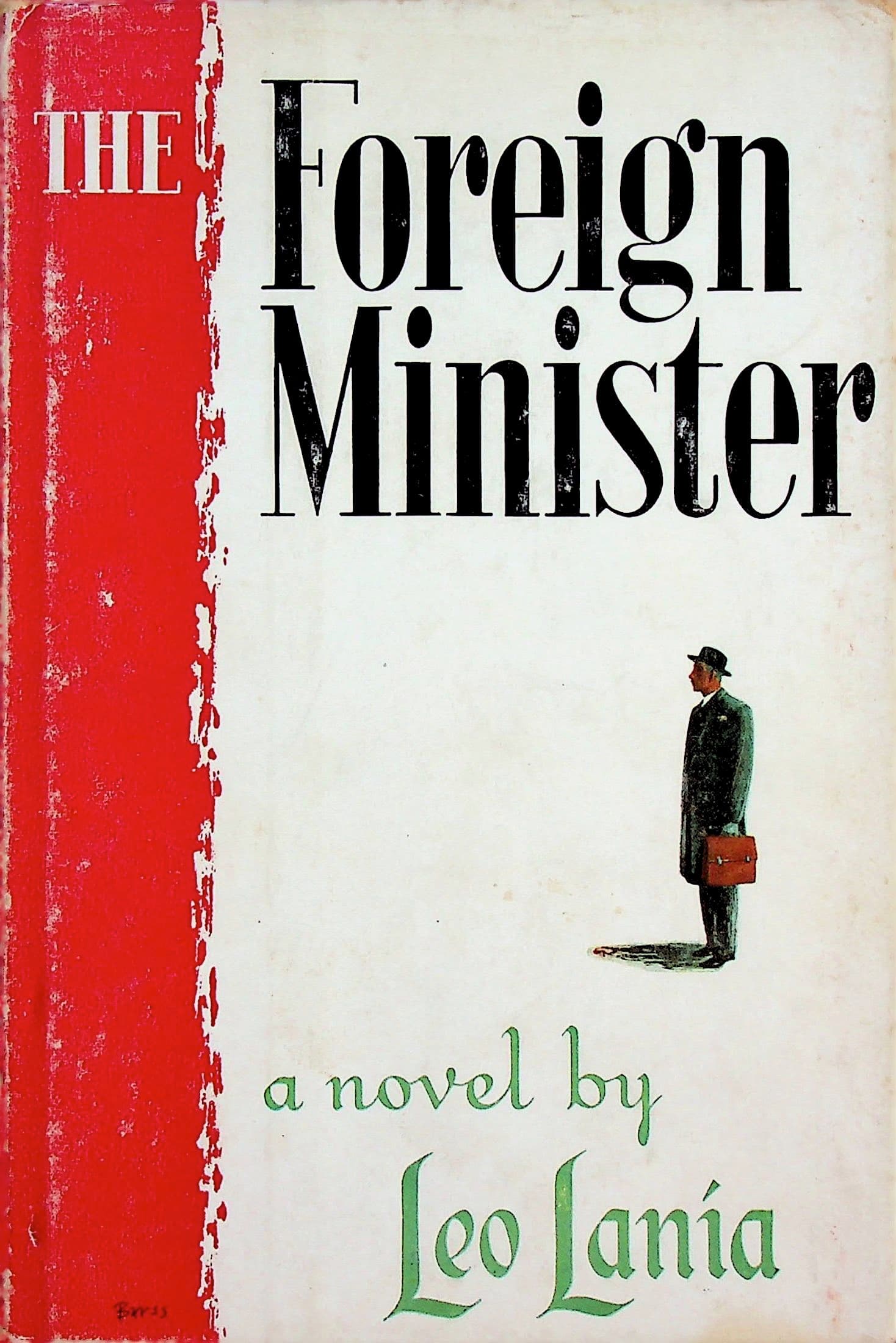
Description
Houghton Mifflin, 1956. Hard cover, 234 pp. First [Houghton] printing, September 1956. Good in acceptable dust jacket. Blue marbled paper over boards with black cloth and gold and blue lettering on spine. Light bumping and scuffing to edges of covers. Binding tight. Pages lightly aged but otherwise unmarked with light dampstaining on edges of rear endpapers. Dust jacket has several 1/2" or less chips and tears and creasing along edges. Moderate overall soiling and scuffing to jacket as well with the color scuffed off in several spots along edges and spine. NOT price clipped. Now in an archival-quality (removable) Brodart Cover. NOT Ex-library. NO remainder marks. Jacket by William Barss [From jacket flaps] This is fiction, but it is a story that in essence is one of the implacable facts that we now live with - the peril of the small state in the path of a juggernaut. It is the story of what might have happened, perhaps more than once in recent years, in twelve hours that preceded a coup d'etat.The turreted stone city looked almost as usual in the sunset hour. There was a state reception, handsomely attended by a society that had grown more uniform-conscious since the war. The Foreign Minister arrived unexpectedly and late. There had been a demonstration by some students, he explained, and that accounted for his presence and his timing. Members of the foreign press were particularly glad to see him. Here was a man who had grown up to his job through the years of a colorful dilettantism, a man once overshadowed by the fame of his father who now had come to play his own more difficult role as the actual leader of a young, strong, gravely threatened nation. Whatever he did was news and the kind of rumors that particularly interest the foreign press were plentiful and contradictory. There had been a crisis, an ultimatum, the President was about to resign, there was a certain very charming American woman waiting across the border for her lover, for her future husband? But the Foreign Minister made a quiet point - to the momentary confusion of his enemies - and left early. He had a decision to make and less than twelve hours to do it. It was all at stake, the Soviet had made that very clear. The Minister might feel it his clear duty to join the newly strong Communist party or he might feel that the preservation of his robust health dictated a vacation abroad. Either course was possible - for several hours. None of this was unexpected. For several weeks the Minister had watched the power grow in the hands of the destroyers, felt the touches of pressure from so many cleverly chosen directions at once, sensed the shifting loyalties and the gathering terror. And now with the past to strengthen him and the future to beckon him he faced the moment of present decision that was to be definitive.