
Description
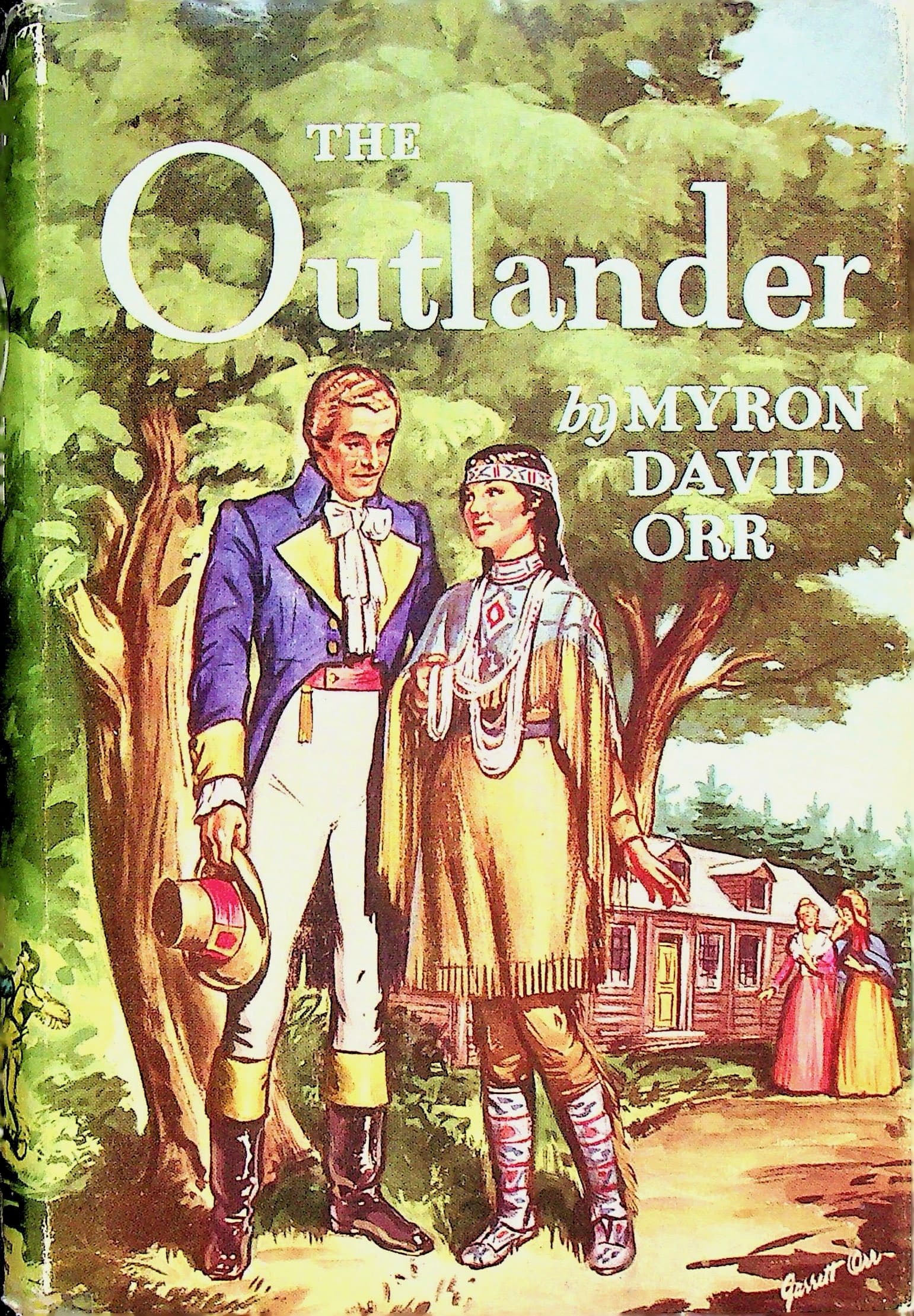
Thomas Bouregy [Published Date: 1959]. Hardcover, 256 pp. Signed by Author on front free end paper (no inscription). No other printings listed. Good in good dust jacket. Black paper over Boards with silver lettering on spine. Light bumping and scuffing to edges of covers. Binding tight. Previous owner's name in ink on top right corner of front paste-down. Otherwise pages are lightly aged but unmarked. Dust jacket has a few 3/4" or less nicks and tears and creasing along edges. Inside of paper over top and bottom of spine and along several other edges has been reinforced with clear tape. Light to moderate overall scuffing and lightly soiling to jacket as well with a bit of the color scuffed off along edges. NOT price clipped Now in an archival-quality (removable) Brodart Cover. NOT Ex-Library. NO remainder marks. Nice jacket art by Garrett Orr. [From jacket flaps] Edward Biddle was the son of John Biddle, one of the Philadelphia Biddles. John Biddle, a Tory, had remained loyal to the British at the beginning of the American Revolution, and when the other Biddles turned against him, and the Continental Congress confiscated his property, he and his wife fled to Nova Scotia. After the War of 1812, Edward Biddle returned to Philadelphia. But because of the taint of his father's disloyalty to the American cause, he was publicly snubbed by the "loyal" Biddles, and two years later, in 1819, he left Philadelphia for the heart of the vast Michigan Territory - Mackinac Island - where the code was what, not who one was. However, Edward Biddle was not prepared for the reception he received. He was an Eastener, and outsider, and even his fine clothes, his accent which so differed from the sharp, vigorous speech of the hardy Islanders, were regarded with hostility and distaste. He'd have to prove that beneath his polished manners and fine feathers he was a man to be reckoned with -rugged, resourceful, two-fisted. It is Madame La Framboise, to whom Edward is introduced, who sets in motion the events that change his life, when, having learned that Edward is a man of wealth, she arranges a meeting with the politically powerful Mike Blakeman. Mackinac Island in 1819 was the headquarters of the mighty American Fur Company of John Jacob Astor, whose blind ambition had led him to send "missionaries" into the Territory to eliminate all competition, their tactics bribery, murder, mayhem - whatever best accomplished their purpose. And it was the giant red-bearded Blakeman who was the leader of the beleaguered independent traders. Biddle's wealth and ambition, Blakeman's popularity and experience, could do much toward freeing the Territory from the domination of the ruthless Astor. And it is Madame La Framboise who proudly introduces Edward to her beautiful pupil, the Chippewa princess, Angelique. Edward and Angelique fall deeply in love, then plan to marry - a union that incurs the bigoted enmity of the British Islanders, but which gains for Edward and Blakeman the powerful and eventually decisive backing of the Chippewa Indians and the French. Set against the exciting history of the roaring Michigan Territory - and the turbulent struggle of America's great fur trading empires - The Outlander is a story of wealth and power, of murder and violence . . . and of a love that changes the direction and lives of countless people.