
Description
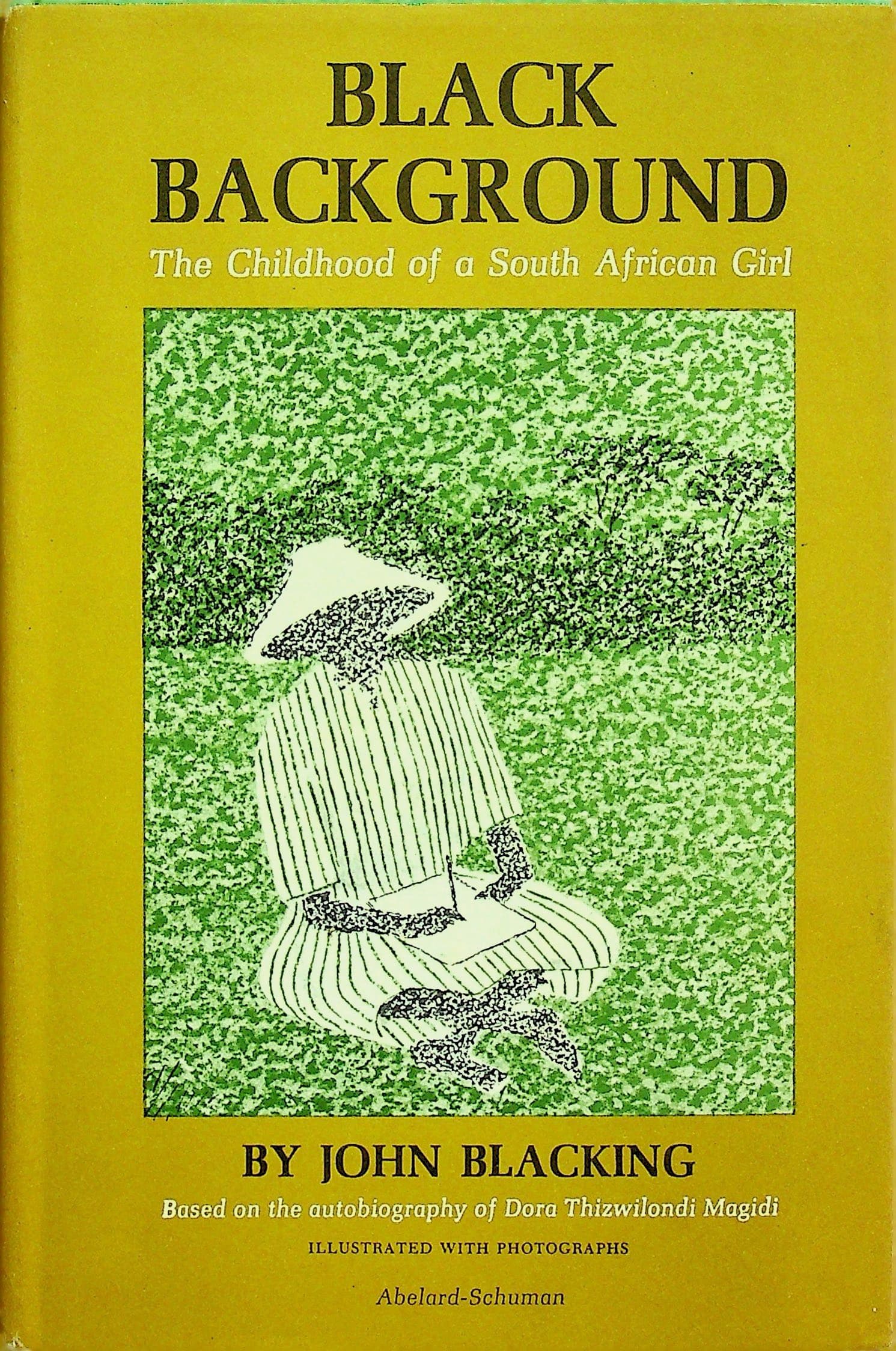
Abelard-Schuman, Inc. [Published Date: 1964]. Hardcover, 207 pp. No other printings listed. Good in good dust jacket. Green cloth covered boards with brown lettering on front and spine. Light bumping and scuffing to edges of covers. Binding tight. Previous owner's name and address on front paste-down. End-papers have tape residue stains from where the dust jacket was taped to the inside of the covers. Otherwise pages are lightly aged but clean and unmarked. Dust jacket has a few small nicks and tears and light creasing along edges. Tape residue stains on jacket flaps as well. Light overall scuffing, aging and soiling to jacket as well. Now in an archival-quality (removable) Brodart Cover. NOT Ex-Library. NO remainder marks. Illustrated with black and white photographs [From front jacket flap] Based on the autobiography of Dora Thxzwilondi Magidi. When Dora Magidi was fourteen years old, she began to write the stories which appear in this book. Using her native Venda tongue, she described incidents in her life among her people, a tribe of hunters who came down from Rhodesia some two Centuries ago to settle in the Northern Transvaal, a region of South Africa dominated by the Zoutpansberg mountains. Dora crisscrosses between two cultures often in conflict - her own and modem European, the ruling civilization that grants itself privileges denied to Dora and her fellow Africans. She writes of her education at home - learning the myths and legends, the rituals and dances - and of lessons in the government school. She records her work, games, songs and dreams, her meetings with Europeans, and special days in her life, like her cousin's wedding. John Blacking, who translated her work, has provided a comprehensive background to it in his introduction and has further enhanced its value with notes and photographs. The dilemma of Dora's life, enriched neither by the full variety of tribal life nor by the attractions of the city, is one which confronts many young Africans today and which will interest anyone concerned with South Africa's racial situation in which Dora Magidi plays a small, but vital part.