
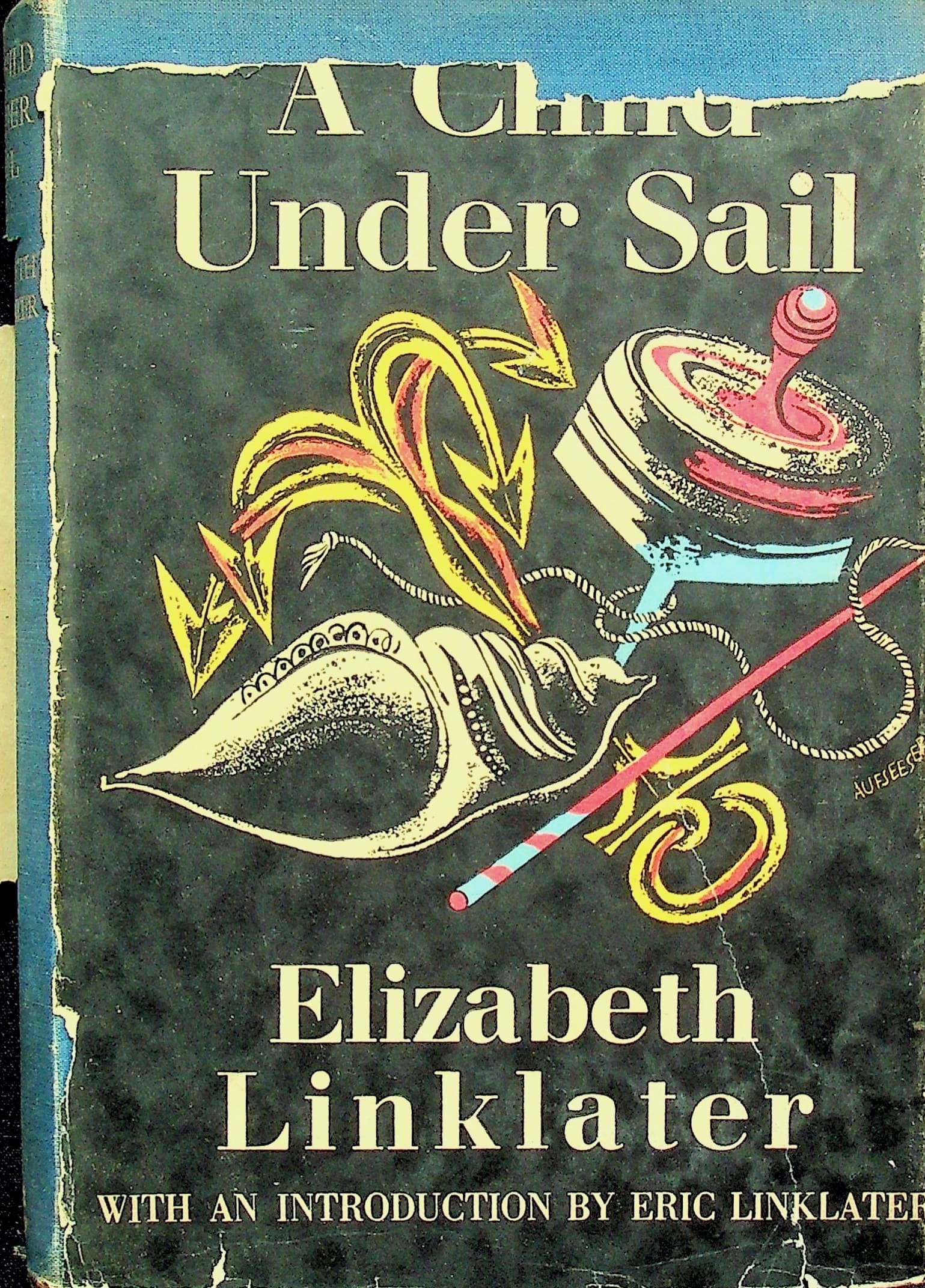
Description
Jonathan Cape, Londond [Published Date: 1938]. Hardcover, 222 pp. Second Impression, March 1938. Acceptable in acceptable to poor dust jacket. Blue cloth covered boards with gold lettering on spine. Cloth is torn over top edge of spine but is still attached. Nicking and fraying to cloth along edges and top and bottom of spine. Moderate overall scuffing and soiling to covers as well. Binding tight. Pages lightly aged but otherwise unmarked. Dust jacket is split in to along the front hinge and is missing most of the paper over the spine and the top 3/4" of paper over the top front edge and several other chips and tears and creasing along edges. Moderate overall scuffing, aging and soiling to jacket as well. What's left of the jacket is protected in a (removable) archival quality Brodart cover. NOT price clipped. NOT Ex-Library. NO remainder marks. Overall an acceptable reading copy. [Excerpt from New York Time book review, Sept 25, 1938] Elizabeth Linklater - she was Elizabeth Young then - first went to sea at the age of 4, in the 345 ton barque Parejero, of which her father was captain. . . Mrs. Linklater doesn't remember a great deal of it naturally, but it was important as the beginning of her life under sail . . She loved her seafaring life. . . . Looking back now on discomforts which we should regard as utterly prohibitive, she thinks of the goodness of the sailors, the beauty of the ships, and the interest of that vanished life. And she looks back a long time. That first voyage was made in 1872, and Elizabeth Linklater remembers the "joy of all sailors" over the introduction of that "blessed device" for their safeguarding, the Plimsoll mark. One of the things that she and her mother learned, "by every sentiment and action," aboard was that "Man - and Woman too - was made for the ship and not the ship for the man." The ships were creatures to be served and proudly loved. . . It was on the Orpheus that she made the trip around Cape Horn of which she writes here - battened down in the cabin in almost total darkness, making a bed on the floor, hearing the call "All hands shorten sail" strike fearful in the middle of the stormy night. But her reminiscences as a whole are less concerned with times of danger and pressing discomfort than with the daily life of the ship. Elizabeth Linklater is Eric Linklater's mother, and in his foreword he recalls not only her stories of the sea but the personality and appearance of his sea-captain grandfather, with his hands that a "rough learning and shaped to an heroic mould." Mr. Linklater's brief foreword is itself a little essay which goes well with the direct and probably unique recored of his mother’s fascinating memories.